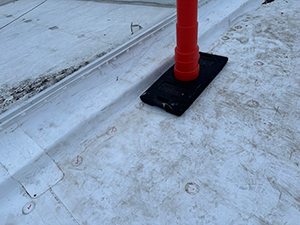
Choosing among commercial roofing companies should start with the building, the roof condition, and the written scope of work, not with a slogan or a lowest-price promise. Hoppe Roofing has served commercial clients since 1977 and works across its confirmed regional service area on commercial installation, replacement, repair, maintenance, inspection, coatings and restoration, single-ply systems, and spray foam roofing.
Call Hoppe Roofing at (855) 472-4932 if you want to discuss the condition of your roof and the type of commercial roofing work the building may need.
What to Look for in a Commercial Roofing Company
A useful contractor comparison starts with facts you can verify. Ask how long the company has operated, whether it works on the roof type you actually have, how it evaluates the existing roof before recommending work, and whether its proposal explains what is included and excluded.
Hoppe Roofing has operated since 1977. Its commercial scope includes acrylic roof coatings and restoration, single-ply installation using TPO, PVC, and EPDM, spray foam installation, insurance-claims support, and general commercial roofing. For a property owner, the important question is whether the contractor’s experience and proposed system match the building rather than whether the company makes the broadest marketing claim.
Compare the Written Scope, Not Just the Price
Two proposals can have similar totals while covering different work. Before selecting a contractor, compare the same project elements across each bid:
- Investigation scope: What roof areas were inspected, what conditions were documented, and what remains uncertain?
- Proposed system or repair: Does the proposal identify the actual roofing system, coating, repair area, or replacement scope instead of using a broad label?
- Preparation and repairs: Are substrate repairs, flashing details, drainage work, penetrations, insulation changes, or other preparatory items included?
- Exclusions and contingencies: What work is specifically outside the base price, and how will concealed conditions or added scope be handled if discovered?
- Schedule and access: What assumptions apply to start timing, weather, staging, rooftop equipment, occupied areas, and material access?
- Warranty responsibilities: If warranty coverage applies, which obligations belong to the contractor and which belong to the manufacturer or selected system?
If one proposal is materially different from the others, ask what changed before assuming it is the better value. Differences may come from materials, preparation, insulation, tear-off, access, exclusions, or a narrower scope.
Experience Across Commercial Roofing Needs

Commercial buildings vary widely in roof size, use, access, drainage, and rooftop equipment. A contractor should be able to explain how those conditions affect the recommendation for that specific property. Hoppe Roofing works on commercial projects that range from smaller buildings to larger facilities, but the appropriate scope still depends on the actual roof.
For owners who are not sure what condition they are starting with, a roof inspection can help document visible defects, moisture concerns, drainage conditions, and other evidence before repair, restoration, or replacement is selected.
Repair, Maintenance, and Replacement Are Different Decisions
A commercial roofing company should not treat every defect as a replacement project. Localized damage may support a defined roof repair when the surrounding system remains serviceable. Ongoing roof maintenance can help owners document changing conditions and address service needs over time.
Replacement becomes a separate decision when the roof condition, moisture extent, substrate, repeated failures, or project requirements make localized work impractical. The contractor should explain the evidence behind that recommendation rather than relying on age alone.
Questions Worth Asking Before You Hire
Direct questions make proposals easier to compare. Ask the contractor to identify the exact roof areas covered by the proposal, the assumptions behind the recommendation, and the conditions that could change the scope after work starts. Ask who handles work outside the roofing scope, how access and occupied areas will be coordinated, and what documentation you will receive when the project is complete.
Also ask for relevant commercial references when appropriate. The goal is not to collect the longest list of claims. It is to understand whether the contractor has handled comparable buildings and whether the written scope matches what your property actually needs.
What Sets Hoppe Roofing Apart
Hoppe Roofing’s supported differentiators are its long operating history, regional commercial service scope, and ability to work across several commercial roofing approaches. The company has served customers since 1977 and provides commercial roofing services across its confirmed service area in South Dakota, Iowa, Minnesota, and Nebraska.
Those facts are useful when comparing contractors, but the final decision should still come back to the building-specific evidence, the proposed scope, exclusions, schedule, and applicable warranty terms.
Choose a Commercial Roofing Company Based on the Scope
A reliable contractor-selection process makes the proposal understandable before work begins. Compare what each company inspected, what system or repair it proposes, what is included, what is excluded, and how changes will be handled. Hoppe Roofing can review a commercial roof and discuss the service options that fit the building. Call (855) 472-4932 to discuss the next step.
Frequently Asked Questions
How long has Hoppe Roofing been in business?
Hoppe Roofing has operated since 1977, giving the company decades of commercial roofing experience across its regional service area.
What should I compare between commercial roofing proposals?
Compare the inspection basis, proposed system or repair scope, preparation, exclusions, access assumptions, schedule, contingencies, and any applicable warranty responsibilities before comparing price.
Should every commercial roof problem lead to replacement?
No. Localized defects may support repair or maintenance when the surrounding roof remains serviceable. Replacement should be based on the overall condition and project requirements rather than age alone.
What questions should I ask before hiring a commercial roofing company?
Ask what was inspected, why the proposed scope is appropriate, what is excluded, what could change the scope, how occupied areas will be handled, and what documentation you will receive after the work.