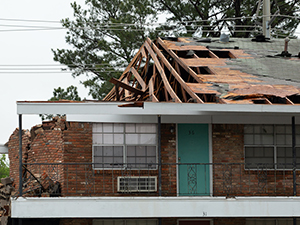
Severe wind, hail, heavy rain, and debris can damage a commercial roof without making every problem visible from the ground. After a storm in Brookings, SD, the safest first step is to document what changed, protect people and operations from active interior hazards, and arrange a professional roof assessment rather than climbing onto the roof yourself. Hoppe Roofing serves commercial properties in Brookings and can evaluate storm-related roof conditions. Call (855) 472-4932 to discuss an inspection.
What You Can Safely Check After a Storm
Start with observations that do not require roof access. From the ground or through a safe interior vantage point, look for debris, displaced edge metal, visibly lifted material, damaged rooftop equipment that can be seen without climbing, or other obvious changes. Inside the building, check ceilings and upper walls for new stains, drips, damp areas, or signs that water has entered since the storm.
Do not walk onto a commercial roof just to investigate storm damage. Standing water, loose materials, hidden openings, damaged decking, and debris can create hazards that are difficult to see. If water is entering near electrical equipment, ceilings are sagging, or another immediate building-safety concern is present, keep people away from the affected area and follow the facility’s emergency procedures while professional help is arranged.
Document What Changed
Record the date of the storm and the time you first noticed each condition. Take photos or video from safe ground-level or interior locations, and note whether a leak is active, intermittent, or appeared only during the storm. If equipment, inventory, ceilings, or interior finishes were affected, document those conditions separately from the roof itself.
This record gives the roofing inspector a useful starting point and can also help preserve a factual timeline if the property owner later needs to discuss the event with an insurer. Documentation should describe what you actually observed rather than assigning a cause that has not yet been confirmed.
Arrange a Professional Commercial Roof Inspection

A post-storm inspection should distinguish visible storm effects from older conditions and identify any areas that need further investigation. Hoppe Roofing’s commercial roof inspection services include evaluation of roofing materials, flashings, drainage components, and other roof features, and the company specifically identifies severe weather as a reason to arrange an inspection.
The inspector may look for punctures, open seams, displaced flashing, impact damage, debris-related damage, drainage problems, membrane distress, or signs that water has entered the assembly. If moisture is suspected below the surface, the appropriate next step depends on the roof system and the evidence found. A useful report should separate confirmed findings from conditions that remain uncertain.
When the Situation Needs Faster Escalation
Active water entering the building, visibly displaced roofing material, exposed decking, or damage that threatens occupied areas deserves prompt professional attention. The immediate goal is to reduce further exposure and keep people away from unsafe areas, not to make a permanent repair without understanding the roof condition.
Less urgent observations, such as debris with no visible opening or a minor surface concern with no active leak, may be appropriate for a scheduled inspection. Even then, it is better to document the condition and arrange an assessment than to assume the roof is unaffected simply because no leak is visible yet.
Repair, Restoration, or Replacement?
A storm does not automatically mean the entire roof needs replacement. Localized punctures, flashing damage, or isolated membrane defects may support a targeted commercial roof repair when the surrounding assembly remains serviceable. The recommendation should reflect the extent of the damage, the condition of insulation and substrate, drainage, prior repairs, and the roof’s overall serviceability.
Restoration or coating may be considered when the existing roof remains a suitable candidate and the storm damage can be corrected within the preparation scope. Replacement becomes more reasonable when damage is widespread, the underlying assembly has been compromised, or repair and restoration no longer provide a dependable path forward. Hoppe Roofing’s flat roof replacement information for Brookings provides additional context when inspection findings point toward replacement.
What to Ask for in the Assessment
Ask the contractor to identify where damage was found, which observations appear storm-related, what conditions may predate the event, and which areas could not be fully evaluated. The recommendation should explain why repair, restoration, replacement, or additional investigation is appropriate. If an estimate is provided, make sure it describes the proposed scope rather than simply naming a roofing service.
For insurance-related work, keep the contractor’s roof findings separate from the insurer’s coverage decision. A roofing contractor can document conditions and proposed work, but policy coverage, deductibles, and claim decisions belong to the property owner and insurer.
Storm Damaged Roof Assessment in Brookings, SD
Hoppe Roofing has served commercial and industrial roofing clients since 1977 and serves Brookings as part of its South Dakota service area. After a storm, a safe response means documenting what changed, avoiding unnecessary roof access, arranging an inspection, and using the findings to choose the appropriate next step. Call (855) 472-4932 to discuss a commercial roof assessment.
Frequently Asked Questions
What should I check after a storm before calling a roofing contractor?
From safe ground-level or interior locations, document visible roof-edge changes, debris, new leaks, ceiling stains, and other conditions that appeared after the storm. Avoid climbing onto the roof yourself.
Why should I photograph storm damage?
Photos and dated notes help the inspector understand what changed and preserve a factual timeline if the property owner later needs to discuss the event with an insurer.
Does storm damage always require roof replacement?
No. The next step depends on the location and extent of damage, moisture and substrate conditions, prior repairs, drainage, and the overall serviceability of the roof.
When should storm damage receive prompt professional attention?
Active interior water entry, visibly displaced roofing material, exposed decking, or damage affecting occupied areas should be escalated promptly while people are kept away from unsafe conditions.