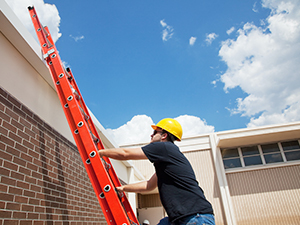
Roof inspection in Worthington, MN is most useful when the property owner receives evidence that supports a clear next decision. A useful inspection should document what was observed, where conditions were found, what remains uncertain, and which items call for maintenance, repair, monitoring, or broader replacement evaluation.
Hoppe Roofing provides commercial roof inspections across Minnesota and the surrounding Tri-State region. Owners can review the company’s commercial roof inspection services while preparing for an evaluation and deciding what documentation they need from the visit.
Insurance Companies
Inspection records can help establish a dated history of roof condition and maintenance activity. That history may be useful when an insurer asks what condition existed before a storm, leak, or other reported loss. It does not guarantee coverage, a discount, or faster claim approval, because insurance decisions depend on the policy, the cause of loss, and the insurer’s review.
Routine inspections are still useful even when no claim is involved. They give the owner a documented record of changing roof conditions and create a basis for deciding what should be maintained now, repaired soon, or monitored over time. Hoppe Roofing’s commercial roof maintenance information provides related context for owners building a longer-term roof history.

What an Inspection Report Should Document
The exact report format can vary with the inspection scope, but a useful commercial roof report should give the owner enough evidence to understand the findings and the next step. A practical outline can include:
- Dated photographs: overall roof views and close-up images of important conditions, tied to the inspection date.
- Defect locations: clear identification of where seams, flashing, penetrations, drainage areas, surface damage, or other conditions were observed.
- Moisture findings and limitations: a record of suspected moisture areas, the method used to identify them, and what the inspection can or cannot confirm without additional testing.
- Prioritized actions: separation of conditions needing prompt attention from maintenance items, planned repairs, and areas that can continue to be monitored.
- Reinspection triggers: conditions that should prompt another review, such as a major weather event, recurring leakage, new rooftop work, or a monitored defect changing condition.
The owner, facility manager, or property manager should receive the report. That creates one shared record for budgeting, maintenance planning, insurance documentation when relevant, and any contractor asked to prepare a scoped estimate.
Thermal and Moisture Findings Need Context
Infrared or other moisture-detection methods can help identify areas that deserve closer investigation, but a thermal pattern by itself does not prove the exact condition below the membrane. Surface temperature can be influenced by insulation, deck materials, weather, shade, equipment, prior repairs, and other building conditions.
When a finding is ambiguous or when the project scope depends on knowing what is below the membrane, the contractor should explain what confirmation method is appropriate. That may involve additional moisture testing, targeted openings, core sampling, or another project-specific method. The purpose is to confirm enough evidence before a repair or replacement scope is treated as certain.
How the Report Supports a Scoped Estimate
A repair or replacement estimate is more useful when it starts from documented conditions instead of a general description of the roof. The inspection report can identify the affected area, observed defects, known moisture concerns, important exclusions, and conditions that could change the scope after work begins.
If a second contractor provides a comparison estimate, the same report gives both bidders a common starting point. It does not replace each contractor’s verification, but it helps show whether two proposals address the same conditions or price different assumptions.
Protecting Your Investment
A commercial roof is part of the building’s long-term operating cost. Inspection helps protect that investment by identifying conditions before the owner is forced to make decisions during an active leak or other urgent event. A small, defined defect may support a targeted repair, while repeated failures, broader moisture, or widespread deterioration can justify a larger assessment.
Inspection should not force every roof into the same repair-versus-replacement answer. Surrounding material condition, repair history, drainage, moisture extent, and remaining serviceability all matter. When a broader project is justified, Hoppe Roofing’s commercial roof replacement information provides a separate reference for that next stage.
When to Schedule the Next Inspection
There is no single inspection interval that applies to every commercial roof. Timing can depend on roof type, age, condition, warranty or manufacturer requirements, building use, recent repairs, rooftop activity, and significant weather. Spring and fall inspections are commonly used in commercial maintenance programs, and additional review can be appropriate after hail, severe wind, heavy rainfall, snow or ice events, or unusual rooftop work.
The report should make the next inspection easier to plan by recording what needs monitoring and which events or condition changes should trigger an earlier review.
Roof Inspection in Worthington, MN
A useful inspection gives the owner more than a pass-or-fail opinion. It creates a dated record of roof condition, identifies where problems are located, states what remains uncertain, and connects the findings to maintenance, repair, monitoring, or replacement decisions.
Contact Hoppe Roofing at (855) 472-4932 to discuss a commercial roof inspection in Worthington, MN.
Frequently Asked Questions
How often should a commercial roof be inspected?
There is no single schedule for every roof. Inspection timing depends on roof type, age, condition, warranty or manufacturer requirements, building use, recent work, and significant weather events.
What should a commercial roof inspection report include?
A useful report can include dated photos, defect locations, moisture findings and limitations, prioritized actions, and clear triggers for reinspection or further investigation.
Can a roof inspection report help with an insurance claim?
It can provide dated condition and maintenance documentation that may be useful during a claim review, but it does not guarantee coverage, payment, a discount, or faster approval.
Do thermal or moisture scan results automatically mean repair is needed?
No. A scan can identify an area that deserves closer review, but ambiguous findings may need additional testing or targeted confirmation before a repair or replacement scope is set.