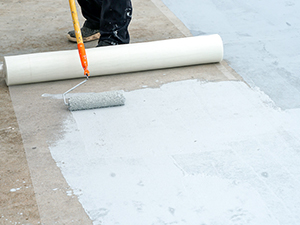
Not all roof coating systems are built the same. The difference between a professional-grade commercial coating and a cheap alternative shows up fast on a Minnesota roof, especially after the first hard winter. At Hoppe Roofing, we have been installing quality commercial roof coating systems across Rochester, Minnesota, since 1977 using proven products from Conklin and Triton. Call us at (855) 472-4932 to find out what a properly specified coating system looks like for your building.
What Makes a Quality Roof Coating System?
So, what actually separates a quality roof coating system from one that fails within a few seasons? It comes down to product chemistry, application standards, dry film thickness, and the manufacturer standing behind it. This article breaks down each factor so commercial building owners in Minnesota can make an informed decision.
Walk into any hardware store and you will find coatings marketed for roofs. Most of them have no business being on a commercial building.
Professional-grade commercial roof coatings are engineered with specific polymer chemistry designed for long-term UV resistance, flexibility across a wide temperature range, and adhesion to commercial roofing substrates. Elastomeric acrylic and silicone formulations used in systems like Conklin and Triton are developed specifically to maintain their physical properties through Minnesota’s extreme temperature swings, from summer heat to sub-zero winter lows. Budget coatings use lower-grade resins that become brittle in cold, chalk rapidly under UV exposure, and lose adhesion long before their stated lifespan. Chemistry is not a marketing detail. It is the foundation the entire coating system rests on.

Dry Film Thickness of Roof Coatings
A roof coating that is applied too thin fails early. It is that simple.
Every professional coating system has a specified dry film thickness that must be achieved to deliver the performance and warranty the manufacturer promises. This measurement tells you how much protective material remains on the roof after the liquid carrier evaporates during curing. A contractor who applies fewer coats, dilutes the product, or skips the required application rate to reduce material cost is delivering a system that will not last. Quality installation means measuring wet film thickness during application, applying the coating in the correct number of passes, and achieving the specified dry film thickness across the entire roof surface. No shortcuts.
Surface Preparation
Even the best coating product fails if it is applied to a poorly prepared surface. This is where a lot of contractors cut corners because prep work is time-consuming and not visible in the finished job.
Quality surface preparation for a commercial roof coating includes pressure washing to remove dirt, debris, and biological growth, full drying of the substrate before any coating is applied, repair of existing seams, cracks, and penetration flashings, and priming of any areas where adhesion may be compromised by previous coatings or substrate conditions.
On a Minnesota commercial roof heading into winter, moisture trapped beneath a coating that was applied over a damp substrate is a serious problem. It creates blistering, delamination, and early failure of the entire system. Proper prep is not optional.
What a Roof Coating Manufacturer Warranty Covers
Manufacturer backing is one of the clearest signals of a quality coating system. Here is what a strong warranty from a reputable manufacturer like Conklin or Triton actually includes:
- Coverage of both materials and labor for qualifying repairs during the warranty period
- Clear application standards that must be met by a certified contractor for the warranty to be valid
- A renewable or extendable warranty option through recoating at the end of the initial coverage period
- A manufacturer with a 50-year track record of honoring warranty claims, not a startup with no claims history
Certified Applicators Matter
A quality coating product installed by an uncertified or inexperienced applicator is still a failed roof coating system. Reputable manufacturers like Conklin and Triton require contractors to be trained and certified in their application methods before a manufacturer-backed warranty is available to the building owner. This certification process exists because proper installation is that important to the system’s performance. When evaluating roof coating contractors in Minnesota, ask directly whether they are certified applicators for the products they are proposing and whether the project will be eligible for a manufacturer warranty upon completion. A qualified contractor answers both questions without hesitation.
Roof Coating Professionals
A quality roof coating system for a commercial building in Rochester, Minnesota is not just about the product in the bucket. It is about chemistry, preparation, application standards, and the people doing the work. At Hoppe Roofing, we have spent over 45 years getting those details right for commercial clients across Minnesota using Conklin and Triton systems that are backed by real manufacturer warranties. Call us at (855) 472-4932 and let us show you what a properly installed roof coating system looks like.
FAQ
How do I know if a coating contractor is actually certified by the manufacturer?
Ask the contractor for their certification documentation and verify it directly with the manufacturer if you have any doubt.
Does roof coating have a VOC concern for occupied commercial buildings?
Quality systems like Triton are formulated with no VOC content, meaning occupied buildings can typically remain operational during application without air quality concerns for building occupants.
What is the ideal time of year to apply a commercial roof coating in Minnesota?
Late spring through early fall is the optimal window in Minnesota, as most elastomeric coatings require ambient temperatures above 50 degrees Fahrenheit and dry conditions for proper curing.