For commercial building owners in Waterloo, IA, choosing the right approach to flat roof repair starts with understanding the type of roofing system you have. EPDM, TPO, and PVC are among the most common materials used in commercial flat roofs, and each requires a unique repair strategy. Knowing these differences helps you make informed decisions, extend the life of your roof, and avoid unnecessary costs. Companies like Hoppe Roofing in Waterloo, IA provide expert repair solutions tailored to each roofing type. If your commercial roof needs attention, call (855) 472-4932 to connect with Hoppe Roofing and get professional guidance.
Flat roofs are designed for durability, but over time, exposure to weather, UV rays, and wear can lead to issues that require prompt and specialized repair.
Flat Roof Repair for EPDM, TPO, and PVC: What’s the Difference?
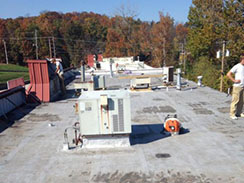 EPDM Roof Repair: Flexibility and Durability
EPDM (ethylene propylene diene monomer) is a synthetic rubber roofing membrane known for its flexibility and long lifespan. It performs well in varying temperatures, making it a popular choice for commercial buildings.
When it comes to flat roof repair, EPDM systems typically require patching or sealing techniques. Repairs often involve applying adhesive-backed patches or liquid rubber solutions to seal cracks, punctures, or seam separations. Because EPDM is highly flexible, it can expand and contract without cracking, but damage can still occur from sharp objects, foot traffic, or prolonged exposure to UV rays.
One of the advantages of repairing EPDM roofs is the relative simplicity of the process. However, proper surface preparation is essential to ensure strong adhesion and long-lasting results. Professional contractors ensure that repairs are applied evenly and securely, preventing future leaks.
TPO Roof Repair: Energy Efficiency and Seam Strength
 TPO (thermoplastic polyolefin) is widely used for its energy-efficient properties. Its reflective surface helps reduce heat absorption, making it a great option for commercial buildings looking to lower energy costs.
Repairing TPO roofs requires a different approach compared to EPDM. Instead of adhesives, TPO repairs often involve heat welding. This process uses specialized equipment to fuse patches or seams directly to the existing membrane, creating a strong and watertight bond.
Common issues with TPO roofs include seam failures, punctures, and membrane shrinkage. Heat welding ensures that repairs are durable and resistant to water infiltration. However, it requires skilled technicians and precise application, as improper welding can lead to weak points in the roof.
For commercial property owners in Waterloo, IA, TPO repairs not only restore the roof’s integrity but also maintain its energy-efficient performance.
PVC Roof Repair: Strength and Chemical Resistance
PVC (polyvinyl chloride) roofing is known for its durability and resistance to chemicals, grease, and fire. This makes it a popular choice for restaurants, manufacturing facilities, and other industrial buildings.
Like TPO, PVC roof repair typically involves heat welding techniques. This creates a seamless bond that restores the roof’s waterproofing capabilities. PVC membranes are highly resistant to environmental stress, but they can still develop issues such as punctures, seam separation, or aging-related wear.
One key advantage of PVC is its strength, which makes it less prone to tearing. However, repairs must be handled carefully to maintain the membrane’s integrity. Professional contractors use compatible materials and precise methods to ensure that repairs blend seamlessly with the existing roof.
For buildings exposed to harsh conditions, properly executed PVC repairs can significantly extend the life of the roofing system.
Choosing the Right Repair Approach
Understanding the differences between EPDM, TPO, and PVC is essential for effective flat roof repair. Each material has unique properties that influence how repairs are performed and how long they last.
EPDM: Best repaired with adhesive patches and sealants
TPO: Requires heat welding for strong, watertight seams
PVC: Also uses heat welding but offers higher chemical resistance
Choosing the correct method ensures that repairs are durable and cost-effective. Attempting a one-size-fits-all approach can lead to poor results and recurring issues.
Working with experienced professionals like Hoppe Roofing ensures that your roof is properly evaluated and repaired using the appropriate techniques. This not only resolves current problems but also helps prevent future damage.
Flat Roof Repair Experts
For commercial property owners in Waterloo, IA, understanding the differences between EPDM, TPO, and PVC systems is key to making informed decisions about flat roof repair. Each material requires a specific approach, from adhesive patching to heat welding, to ensure long-lasting results. By addressing issues early and using the correct repair methods, businesses can extend the life of their roofs, improve efficiency, and reduce long-term costs. Partnering with skilled professionals like Hoppe Roofing ensures that repairs are handled with precision and expertise. If your commercial roof in Waterloo, IA needs attention, call (855) 472-4932 to speak with Hoppe Roofing and protect your investment with confidence.
FAQ
What is the main difference between EPDM, TPO, and PVC roofing?
EPDM is a rubber membrane, while TPO and PVC are thermoplastic materials that use heat-welded seams for stronger bonding.
Can all flat roof materials be repaired the same way?
No, each material requires specific repair techniques to ensure proper adhesion and durability.
Which flat roofing material is the most durable?
PVC is often considered highly durable due to its resistance to chemicals and environmental stress, but all materials can perform well with proper maintenance.
Why is professional repair important for flat roofs?
Professionals use the correct tools and techniques to ensure repairs are effective, safe, and long-lasting.