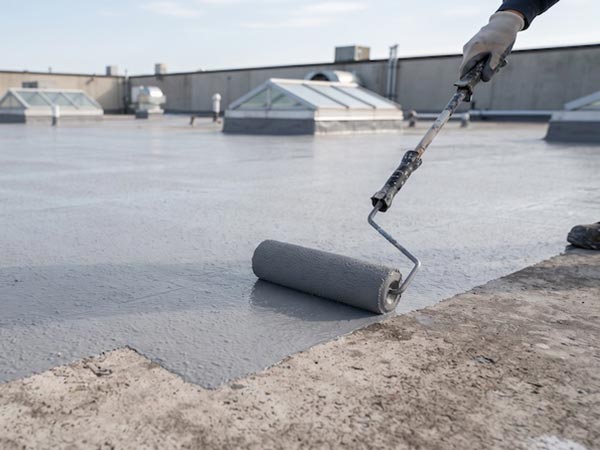
Commercial buildings in Omaha, NE are exposed to a wide range of weather conditions that test the performance of flat roofing systems throughout the year. Heavy spring and summer thunderstorms, hail, and periods of standing water can gradually weaken vulnerable areas of a roof if they are not properly maintained. Understanding how flat roof sealing works helps building owners make informed decisions about protecting their roofing investment.
Flat roof sealing uses specialized materials and techniques to create or restore waterproof barriers that prevent moisture from entering commercial roofing systems. Call Hoppe Roofing at (855) 472-4932 for flat roof sealing in Omaha, NE.
Flat Roof Sealing Protects Vulnerable Roofing Areas
Flat roof sealing is not limited to one product or one repair method. Instead, it describes several approaches that work together to keep water out of a commercial building. Every flat roof relies on a combination of roofing membranes, sealed seams, flashing details, and drainage components to maintain a watertight system.
The roofing membrane serves as the primary weather barrier, but seams, roof penetrations, parapet walls, and perimeter edges are often the most vulnerable locations. These areas experience movement from changing temperatures, making them more susceptible to wear over time.
Professional sealing methods reinforce these critical details before moisture can enter the roofing assembly. By maintaining these waterproofing details, commercial roofs continue performing even through Omaha’s demanding weather conditions.
Flat Roof Sealing Methods for Different Roofing Systems

Different roofing systems require different sealing techniques. One common method involves applying compatible sealants around flashing, pipe penetrations, edge metal, and roof transitions. These flexible materials help maintain watertight seals as roofing components expand and contract.
Seam tape is used with certain membrane roofing systems to create or restore watertight seams. The appropriate tape and installation method depend on the membrane type.
Fluid applied roof coatings provide another form of flat roof sealing by creating a continuous protective membrane across the entire roof surface. Acrylic coatings offer reflective performance for roofs with good drainage, while silicone coatings offer strong resistance to UV exposure and can perform well on roofs where limited ponding water is a concern. Polyurethane coatings provide excellent durability on roofs that experience regular maintenance traffic.
Spray polyurethane foam can also be used as a roof restoration system, creating a seamless insulated surface that helps resist moisture intrusion. Its suitability depends on the existing roof assembly, substrate condition, drainage, and other site factors. Each sealing method is selected according to the roof’s existing construction, condition, and performance goals.
Why Waterproofing Matters in Omaha
Omaha experiences weather that places significant demands on commercial roofing systems. Intense thunderstorms deliver large volumes of rain over short periods, while hail can damage roofing surfaces and expose vulnerable areas to future moisture infiltration.
Standing water presents another concern for flat roofs. Even well-designed drainage systems can experience temporary ponding after severe storms. If seams, flashing, or surface coatings have begun deteriorating, prolonged exposure to water increases the likelihood of leaks developing.
Flat roof sealing strengthens these vulnerable areas before weather conditions create larger problems. Maintaining waterproof details allows the roofing system to continue directing water safely toward drains while protecting the building beneath.
Evaluating the Right Sealing Solution
Not every commercial roof requires the same type of sealing. Some roofs benefit from localized repairs that restore flashing, penetrations, or individual seams. Others qualify for a full roof coating that renews the entire weather-resistant surface.
A professional inspection evaluates membrane condition, drainage performance, seam integrity, and existing waterproof details before recommending a solution. This assessment helps determine whether targeted repairs, a protective coating, spray foam restoration, or another sealing approach best matches the roof’s current condition.
Some coating systems can be renewed with an additional application when the existing coating remains in suitable condition and the manufacturer’s requirements are met.
Protect Your Commercial Roof
Flat roof sealing plays an important role in maintaining waterproof performance across a wide variety of commercial roofing systems. Understanding the available sealing methods allows building owners to choose maintenance strategies that match their roof’s design and condition while preparing for Omaha’s changing weather.
For flat roof sealing in Omaha, NE, contact Hoppe Roofing at (855) 472-4932 today.
FAQ
What does flat roof sealing involve for a commercial building?
Flat roof sealing may include repairing seams, applying sealants around flashing and penetrations, installing seam tape, applying a fluid roof coating, or restoring the roof with spray foam. The appropriate method depends on the roof’s condition and construction.
How long does a flat roof sealant or coating last on an Omaha commercial roof?
The lifespan varies by material, roof condition, and weather exposure. Many commercial coating systems carry warranties ranging from 10 to 20 years, and qualifying roofs may be recoated to renew warranty coverage.
Can flat roof sealing help prevent leaks after heavy rain or hail?
Yes. Properly maintained sealing systems strengthen vulnerable roof details, helping resist water intrusion following storms. However, roofs should always be inspected after significant hail events to identify any damage requiring repair.