Commercial property owners in Omaha have several roofing options to consider when planning a new roof or replacement project. Among single-ply roofing systems, EPDM and TPO remain two of the most common choices for commercial buildings. EPDM roofing continues to be a popular solution because of its durability, long service life, and ability to handle Nebraska’s changing weather conditions.
For related commercial roofing guidance in Omaha, see Single-ply roofers in Omaha.
Call Hoppe Roofing at (855) 472-4932 for EPDM roofing in Omaha, NE.
EPDM Roofing vs. TPO in Omaha’s Climate
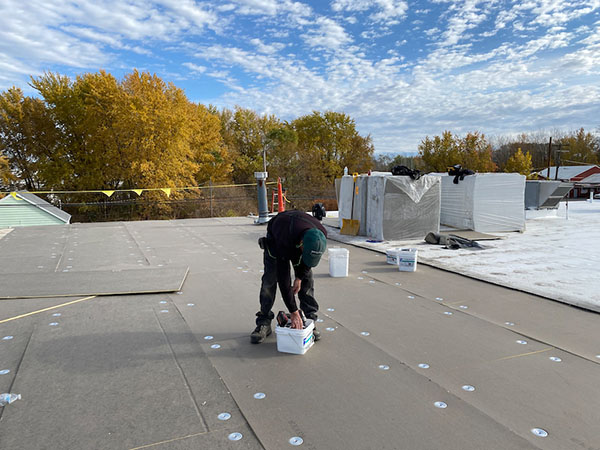
EPDM, which stands for ethylene propylene diene monomer, is a synthetic rubber roofing membrane commonly installed on low-slope commercial roofs. TPO, or thermoplastic polyolefin, is another single-ply roofing system that has gained popularity in recent years. While both systems are widely used, each offers different advantages depending on the building and the owner’s priorities.
Omaha’s climate places significant demands on commercial roofing systems. Winters are often cold and dry, while summers bring heat, humidity, and strong sunlight. Roofing materials must be able to expand and contract as temperatures change throughout the year.
One area where EPDM often stands out is flexibility. Its rubber composition allows the membrane to remain flexible during colder weather, helping it accommodate temperature swings without becoming brittle. This characteristic can be particularly beneficial on buildings that experience frequent expansion and contraction due to seasonal changes.
Comparing Lifespan and Long-Term Performance
Both EPDM and TPO can provide many years of reliable performance when properly installed and maintained. However, EPDM has one advantage that appeals to many building owners: a long history of proven performance. The system has been used on commercial buildings for decades, giving property managers a substantial track record to evaluate.
EPDM roofing is known for resisting weather-related aging and maintaining performance over extended periods. Its resistance to ultraviolet radiation helps reduce the effects of prolonged sun exposure. In Omaha’s hot summer months, this can contribute to long-term durability and dependable protection.
TPO roofing also performs well and is often selected for its reflective surface, which can help reduce heat absorption. For buildings where energy efficiency is a primary goal, TPO may offer advantages. However, for owners focused on durability and long-term service life, EPDM frequently remains a strong contender.
Which Roofing System Fits Your Building?

The choice between EPDM and TPO often depends on the condition of the building, budget considerations, and long-term ownership plans. Older commercial buildings sometimes benefit from EPDM because the membrane’s flexibility can better accommodate structural movement that occurs over time.
Budget also plays a role in the decision-making process. Installation costs vary based on roof size, building design, and project requirements, but many property owners view EPDM as a cost-effective option because of its longevity and relatively straightforward maintenance needs.
Building use is another factor to consider. Warehouses, industrial facilities, office buildings, and retail centers may each have different performance priorities. Some owners prioritize energy efficiency, while others focus on durability, repairability, and long-term value. Understanding those priorities helps determine which roofing system is the better fit.
EPDM Roofing and Repair Considerations
Commercial roofs eventually require maintenance regardless of the material used. One advantage of EPDM roofing is that repairs can often be completed without replacing the entire roof system. Localized damage, seam issues, or minor leaks can frequently be addressed through targeted repairs that restore the membrane’s performance.
The rubber membrane is generally easy to inspect and maintain, allowing roofing professionals to identify developing issues before they become larger problems. Regular inspections help extend roof life and protect the building from water intrusion.
Repairability is particularly valuable for property owners looking to maximize their roofing investment. Instead of facing a complete replacement when a small issue develops, many EPDM roofs can continue performing effectively after professional repairs.
Choosing the Right Roofing System for Long-Term Value
Every commercial property has unique needs, and both EPDM and TPO offer benefits worth considering. EPDM’s flexibility, durability, repairability, and long history of performance make it an attractive choice for many Omaha building owners. TPO may appeal to properties focused on reflective performance and energy savings, while EPDM often provides practical advantages for buildings that experience seasonal movement and changing temperatures.
For EPDM roofing in Omaha, NE contact Hoppe Roofing at (855) 472-4932 today.
FAQ
What is the difference between EPDM and TPO roofing?
EPDM is a synthetic rubber membrane known for flexibility and durability, while TPO is a reflective single-ply membrane often selected for energy-efficiency goals. Both are commonly used on commercial buildings.
How long does an EPDM roof last on a commercial building?
With proper installation, maintenance, and periodic inspections, an EPDM roof can often provide 25 to 40 years of service or more.
Can EPDM be repaired, or does it need full replacement?
Many EPDM roofing issues can be repaired without replacing the entire roof. The best solution depends on the extent and location of the damage.