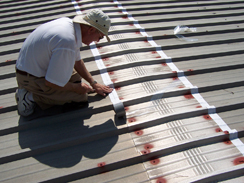
Metal Roof Repair Mason City IA

Metal Roof Repair Mason City IA 1For commercial property owners in Mason City IA, metal roofing is a smart long-term investment, but even the most durable systems can develop leaks over time. When leaks reappear after repeated fixes, the issue is often not the roof material itself, but how the repairs were handled. Metal roof repair, when performed correctly, is designed to stop leaks permanently rather than temporarily. If your commercial building in Mason City IA is dealing with recurring roof issues, speaking with a professional from Hoppe Roofing at (855) 472-4932 can help you understand why expert repairs make a lasting difference.

How Professional Metal Roof Repairs Prevent Repeat Leaks

Why Metal Roof Leaks Keep Coming Back

Metal roofs behave differently than other roofing systems. They expand and contract with temperature changes, which places stress on seams, fasteners, and penetrations. When repairs don’t account for this movement, leaks often return.

Metal Roof Repair Mason City IA 2

Improper Sealing Techniques

Quick fixes like surface caulking or patching over damaged areas may stop water briefly, but they rarely accommodate metal movement. As panels shift, these rigid patches crack or pull away, reopening the leak.

Overlooked System-Wide Issues

Leaks don’t always originate where water appears inside the building. Water can travel along panels or structural elements before entering the interior. Without a comprehensive assessment, repairs may miss the real source.

Aging Components

Fasteners, washers, and flashing materials deteriorate over time. If repairs focus only on visible damage, weakened components elsewhere can continue allowing moisture intrusion.

Understanding these factors is essential to preventing repeat leaks, and this is where professional metal roof repair stands apart.

How Professional Metal Roof Repair Addresses the Root Cause

Professional metal roof repair focuses on diagnosing and correcting the underlying causes of leaks, not just the symptoms. This systematic approach is key to long-term performance.

Thorough Roof Evaluation

Professionals begin by examining seams, fasteners, penetrations, and transitions. They look for subtle signs of movement, corrosion, or separation that indicate where water is entering the system.

Use of Flexible, Compatible Materials

Unlike generic sealants, professional repairs use materials designed to move with metal panels. These flexible solutions maintain watertight integrity even as temperatures fluctuate.

Fastener and Seam Restoration

Loose or backed-out fasteners are a common leak source. Professionals reset or replace them and reinforce seams to restore structural integrity across the roof surface.

Targeted Repairs Without Over-Correction

Rather than replacing large sections unnecessarily, expert metal roof repair focuses on precise corrections. This minimizes disruption while maximizing effectiveness.

By addressing how the roof functions as a system, professional repairs significantly reduce the risk of recurring leaks.

Long-Term Benefits for Commercial Building Owners

For commercial property owners, repeat roof leaks can mean more than inconvenience, they can disrupt operations, damage inventory, and increase maintenance costs. Professional metal roof repair helps avoid these outcomes.

Reduced Downtime and Interior Damage

Stopping leaks at their source protects interiors, equipment, and tenants. This is especially critical for facilities that rely on controlled environments or uninterrupted operations.

Extended Roof Lifespan

Correct repairs slow overall roof deterioration. By reinforcing vulnerable areas, professional metal roof repair helps owners get more value from their existing system.

Predictable Maintenance Planning

When leaks are resolved properly, future maintenance becomes more manageable. Owners can plan upgrades strategically instead of reacting to emergencies.

In many cases, professional repair can delay the need for replacement, making it a cost-effective solution for metal roof systems that are otherwise in good condition.

Metal Roof Repair Experts

For commercial buildings in Mason City IA, metal roof repair is most effective when it’s done right the first time. Repeated patch jobs often cost more in the long run than a single, professional repair that addresses the real issue.

If your building is experiencing persistent leaks or signs of metal roof failure, consulting Hoppe Roofing can help you understand the condition of your roof and the best repair strategy. To discuss your options and protect your investment, call (855) 472-4932 and get expert guidance tailored to your property.

FAQ

What are the most common causes of metal roof leaks?
Common causes include loose fasteners, seam separation, flashing failure, and material movement due to temperature changes.

Can metal roof leaks be repaired without replacing panels?
Yes, many leaks can be resolved through targeted repairs that restore seams, fasteners, and penetrations without full replacement.

Why do temporary metal roof repairs fail?
Temporary fixes often use rigid materials that crack as the metal expands and contracts, allowing leaks to return.

Is professional metal roof repair cost-effective for commercial buildings?
Yes, addressing the root cause of leaks can extend roof life and reduce long-term maintenance and interior repair costs.

Single-Ply Roofing Waterloo, IA

Single-Ply Roofing Waterloo, IA 1

Single-ply roofing is a widely used solution for commercial and industrial buildings in Waterloo, Iowa. Known for its durability, flexibility, and ease of installation, single-ply roofing systems provide reliable protection against weather and environmental exposure. Understanding the benefits, installation process, and maintenance requirements helps property owners make informed decisions about this type of roofing system. Call Hoppe Roofing on (855) 472-4932 for single-ply roofing in Waterloo, Iowa.

Understanding Single-Ply Roofing

A single-ply roofing system consists of one piece of synthetic membrane covered with either TPO or PVC or EPDM merged together using adhesives or heat. TPO is a new type of thermoplastic roof that is much heavier than PVC; however, it offers excellent durability and allows for greater flexibility. Both types of roofs provide an effective water barrier due to their inherent characteristics of synthetic materials. Single-ply roofing is suitable for flat or low-slope roofs, offering a cost-effective and long-lasting solution for building protection.

Single-Ply Roofing Benefits

Single-Ply Roofing Waterloo, IA 2

Single-ply roofing offers several advantages for property owners in Waterloo. The lightweight membrane reduces stress on the building structure, making installation faster and easier. The elastic nature of the material enables it to both expand and shrink during temperature changes, thus minimizing its chance of cracking or splitting. A single-ply roof system’s energy-efficiency is achieved through the use of reflective coatings which help to healthily manage indoor temperatures and, in turn, lower energy bills.

Installation Process

Professional installation is key to ensuring the long-term performance of single-ply roofing systems. The process begins with preparing the roof deck by cleaning and inspecting it for damage. The membrane is then rolled out and secured using adhesives, mechanical fasteners, or ballast, depending on the system and building requirements. Seams are carefully sealed through heat welding or adhesive bonding to create a continuous and watertight surface. Diligence during installation helps prevent leaks and supports durability.

Maintenance

Routine maintenance is essential to extend the life of a single-ply roof. Property owners should schedule regular inspections to check for membrane damage, seam integrity, and drainage performance. Cleaning debris from the roof surface helps prevent water accumulation and potential damage. Timely maintenance and minor repairs can prevent more extensive issues and ensure the roofing system continues to perform effectively.

Common Issues and Repairs

Single-ply roofs can encounter issues over time, including punctures, seam separation, and membrane wear. Professional roofing contractors in Waterloo identify these problems through thorough inspections and apply targeted repairs. Small punctures may be patched, while compromised seams can be resealed or reinforced. Prompt attention to repair needs prevents water intrusion and supports the overall integrity of the roof.

Climate Considerations

Waterloo experiences a variety of weather conditions, including seasonal temperature changes, rainfall, and occasional storms. Single-ply roofing is well-suited for these conditions due to its flexibility and resistance to ultraviolet radiation. Roofing contractors consider local climate factors when selecting materials and installation techniques to ensure the roof performs reliably year-round.

Energy Efficiency and Sustainability

Single-ply roofing contributes to energy efficiency and sustainability when professionally installed and maintained. With the use of reflective membranes, the building absorbs less heat and, in turn, provides a lower cooling bill, as well as greater comfort indoors. In addition to this benefit, some of the single-ply membrane materials are recyclable, making them a green choice for property owners interested in sustainable building options.

Choosing a Contractor

Selecting a qualified contractor is essential for successful installation, repair, and maintenance of single-ply roofs. Experienced contractors provide accurate assessments, clear communication, and adherence to industry standards. Local expertise in Waterloo ensures that roofing systems are designed to withstand environmental challenges and comply with building codes.

Long Term Benefits

Single-ply roofing offers long-term value by providing durable protection, energy efficiency, and simplified maintenance. Property owners in Waterloo benefit from reduced repair costs, extended roof life, and consistent building protection. When installed and maintained correctly, single-ply roof is a reliable solution that supports operational and financial efficiency.

Single-Ply Roofing Experts

Single-ply roofing in Waterloo, Iowa offers a flexible, durable, and energy-efficient solution for commercial and industrial buildings. Professional installation, routine maintenance, and timely repairs ensure long-term performance and protection. Property owners who invest in single-ply roofing gain a reliable and sustainable roofing system capable of withstanding local weather conditions and supporting building longevity. For more information on single-ply roofing in Waterloo, Iowa contact Hoppe Roofing on (855) 472-4932.

FAQ

Can single-ply roofing be installed on sloped roofs?
Yes, some single-ply membranes can be adapted for low to moderate slopes with proper installation and drainage planning.

Are single-ply roofs compatible with rooftop equipment?
Yes, single-ply roofs can accommodate HVAC units, vents, and other equipment when properly reinforced and installed with suitable flashing.

Roof Coating Mason City IA

Roof Coating Mason City IA 1For commercial property owners in Mason City IA, maintaining a durable roof without excessive disruption or waste is an ongoing challenge. One solution gaining serious attention is roof coating, a method that restores and protects existing roofing systems without the need for a full tear-off. As sustainability and cost-efficiency become priorities, roof coating stands out as a practical alternative. If you’re exploring long-term roofing options for your building in Mason City IA, speaking with a professional from Hoppe Roofing at (855) 472-4932 can help you understand whether roof coating is a viable path forward.

Roof Coating as a Sustainable Alternative to Roof Tear-Offs

What Makes Roof Coating a Sustainable Option?

Roof coating is applied directly over an existing commercial roof, forming a protective, seamless layer. Unlike traditional replacement methods that require removing and discarding old materials, coating works with what’s already in place.
Roof Coating Mason City IA 2
From an environmental standpoint, this approach significantly reduces landfill waste. Tear-offs often generate tons of discarded roofing materials, many of which are not recyclable. Coating a roof minimizes this impact by extending the service life of the current roof rather than replacing it prematurely.

In addition, many modern coatings are designed to reflect sunlight. This reflective quality helps reduce heat absorption, lowering rooftop temperatures and easing the load on HVAC systems. For commercial buildings, this can translate into improved energy efficiency and reduced operational costs over time.

How Roof Coating Extends the Life of Existing Roofs

One of the most compelling benefits of roof coating is its ability to rejuvenate aging roofing systems. Rather than masking problems, a properly applied coating addresses common vulnerabilities that develop as roofs age.

Sealing and Waterproofing

Roof coatings create a continuous membrane that seals small cracks, seams, and fasteners. This helps prevent water infiltration, which is one of the leading causes of roof deterioration and interior damage.

Protection from UV Exposure

Constant exposure to sunlight can cause roofing materials to dry out, crack, or become brittle. Roof coating acts as a protective shield, reducing UV damage and slowing the aging process of the underlying roof.

Adaptability Across Roof Types

Coating systems can be applied to many common commercial roofing materials, such as modified bitumen, metal, and single-ply membranes. This versatility makes it an attractive option for a wide range of commercial buildings.

By addressing these factors, coating a roof can add years of functional life to a roof that might otherwise be headed for replacement.

Roof Coating vs. Full Tear-Off

When commercial building owners face roofing decisions, the choice often comes down to repair, coating, or replacement. Coating a roof offers a middle ground that balances performance, sustainability, and cost.

Reduced Disruption

A full roof tear-off can disrupt daily business operations due to noise, debris, and extended construction timelines. Coating a roof is typically less invasive, allowing many businesses to continue operating during the process.

Lower Material and Labor Impact

Because existing materials remain in place, roof coating requires fewer new resources. This not only reduces environmental impact but also simplifies logistics compared to a complete replacement.

Predictable Planning

Roof coating allows owners to plan upgrades proactively rather than reacting to sudden failures. This predictability is especially valuable for commercial properties that rely on consistent operations.

While coating is not suitable for every roof, such as those with severe structural damage, it can be an effective alternative when the underlying system is still sound.

Long-Term Value for Commercial Property Owners

Beyond sustainability, roof coating offers strategic value for commercial property management. By extending roof life, owners can delay major capital expenditures and allocate resources more efficiently.

Coating a roof also supports long-term maintenance strategies. Regular evaluations and timely coating applications can create a cycle of preservation rather than replacement. Over time, this approach reduces waste, lowers lifecycle costs, and contributes to more responsible building ownership.

For commercial properties aiming to balance performance, budget control, and environmental responsibility, coating a roof has become an increasingly relevant solution.

Roof Coating Professionals

For commercial building owners in Mason City IA, roof coating represents more than a repair, it’s a sustainable strategy that aligns durability with environmental awareness. Understanding how coating works and when it’s appropriate allows owners to make informed, forward-thinking decisions.

If you’re considering whether coating the roof is the right alternative to a tear-off for your building, reach out to Hoppe Roofing at (855) 472-4932 to discuss your roof’s condition and explore practical next steps.

FAQ

What conditions must a roof meet to qualify for roof coating?
The existing roof must be structurally sound with manageable wear and no extensive moisture damage.

Does roof coating help improve energy efficiency?
Yes, many coatings are reflective and can reduce heat absorption, which may lower cooling demands.

How long can a roof coating extend roof life?
Depending on the system and maintenance, it can add several years of service life.

Is roof coating suitable for all commercial buildings?
While versatile, it is best suited for roofs that are aging but still in repairable condition.

Rubber Roof Repair Waterloo, IA

Rubber Roof Repair Waterloo, IA 1

Rubber roof repair is an important service for property owners in Waterloo, Iowa who rely on durable and flexible roofing systems. Rubber roofing, often made from synthetic membranes, is commonly used on commercial buildings and some residential structures. While these roofs are designed for long term performance, exposure to weather, temperature changes, and everyday use can create conditions that require professional repair. Call Hoppe Roofing on (855) 472-4932 to have us conduct a rubber roof repair on your roof in Waterloo, Iowa.

Focusing on Rubber Roof Repair

Understanding Rubber Roofing Systems

Rubber roofing systems are valued for their flexibility and resistance to moisture. These roofs expand and contract with temperature changes, which helps reduce stress on the structure. In Waterloo, where seasonal shifts are common, this flexibility supports consistent performance. Rubber roofs are typically installed as large sheets that create a watertight surface when properly sealed.

Common Causes of Rubber Roof Damage

Several factors can contribute to the need for rubber roof repair. Severe weather events, debris accumulation, and foot traffic from maintenance activities may compromise the membrane surface. Over time, seams and penetrations can also become vulnerable if not properly maintained. Identifying the cause of damage helps roofing professionals apply targeted repair solutions.

The Rubber Roof Repair Process

Rubber Roof Repair Waterloo, IA 2

Professional rubber roof repair begins with a detailed inspection. Contractors assess the condition of the membrane, seams, flashing, and drainage areas. Once issues are identified, the damaged sections are cleaned and prepared for repair. Repair methods are selected to match the existing material and restore the roof’s watertight seal. Careful workmanship ensures the repair blends seamlessly with the surrounding surface.

Importance of Timely Repairs

Addressing rubber roof issues promptly helps prevent further deterioration. Small tears or seam issues can allow moisture to reach insulation or interior spaces if left untreated. Timely repairs protect the building structure and help maintain a stable indoor environment. For businesses and homeowners in Waterloo, initiative-taking roof care supports long term reliability.

Local Weather Considerations

Waterloo experiences a range of weather conditions including rain, snow, and temperature fluctuations. Rubber roof repair professionals consider these factors when planning repairs. Materials and techniques are chosen to perform well in local conditions and maintain flexibility during seasonal changes. This climate awareness approach helps ensure lasting results.

Safety and Professional Standards

Rubber roof repair requires adherence to safety and quality standards. Professional contractors follow established guidelines to protect workers and occupants during the repair process. They also ensure repairs meet local building requirements. Commitment to professional standards helps deliver dependable repairs and peace of mind for property owners. Hoppe Roofing has been collaborating with local businesses since 1977.

Planning for Ongoing Roof Care

After repairs are completed, ongoing care helps maintain roof performance. Regular inspections allow professionals to monitor repaired areas and overall membrane condition. Keeping drainage areas clear and addressing minor issues early supports the longevity of the rubber roofing system.

Selecting a Rubber Roof Repair Specialist

Choosing the right specialist is essential for successful repairs. Experienced contractors provide clear explanations of findings and recommended solutions. Diligence, communication, and familiarity with rubber roofing systems contribute to effective outcomes. Working with a local professional also ensures accessibility for future inspections or maintenance. For a rubber roof repair in Waterloo, Iowa contact Hoppe Roofing on (855) 472-4932.

FAQ

How does rubber roof repair differ from other roofing repairs?
Rubber roof repair focuses on restoring membrane integrity and flexibility while maintaining a seamless watertight surface.

Can rubber roof repairs improve overall roof performance?
Yes, properly completed repairs help restore waterproofing and support consistent performance across the roof surface.

Who should schedule regular inspections for rubber roofs?
Property owners and facility managers benefit from scheduling professional inspections to ensure the roof remains in good condition.

Roof Inspection Mason City IA

roof-inspection-mason-city-iowaFor commercial property owners in Mason City IA, a roof inspection is one of the most important steps in protecting a building’s structure, occupants, and long-term value. While many owners understand the importance of inspections, fewer know what actually takes place during a professional evaluation. A thorough Roof Inspection goes far beyond a quick visual check and provides critical insight into current conditions and potential risks. If you own or manage a commercial property in Mason City IA and want clarity on your roof’s condition, you can speak with a professional from Hoppe Roofing at (855) 472-4932 to learn more about the process.

What Really Happens During a Professional Roof Inspection?

Initial Assessment and Roof Access

roof-inspection-mason-city-iaA professional roof inspection begins before anyone steps onto the roof surface. Inspectors first review the building’s basic information, including roof type, age, previous repairs, and known problem areas. This background helps guide the inspection and ensures that vulnerable areas receive special attention.

Once access is established, safety measures are put in place. Commercial roofs often include HVAC units, skylights, drains, and varying elevations, all of which require careful navigation. Inspectors look for immediate concerns such as obvious membrane damage, standing water, or loose materials that could indicate larger issues.

This initial walkthrough sets the stage for a more detailed evaluation and helps inspectors identify areas that may require closer examination.

Detailed Evaluation of Roofing Components

The core of a professional roof inspection lies in examining each component of the roofing system. Rather than focusing on one issue, inspectors assess how all parts work together to protect the building.

Roofing Surface and Membrane

The surface is checked for cracks, punctures, blisters, shrinkage, or seam separation. Even minor damage can allow moisture to penetrate and compromise insulation or decking.

Flashing and Penetrations

Flashing around vents, pipes, skylights, and HVAC equipment is closely inspected. These areas are among the most common sources of leaks because they experience constant movement and stress.

Drainage Systems

Proper drainage is essential for commercial roofs. Inspectors check drains, scuppers, and gutters for blockages, ponding water, or improper slope that could accelerate deterioration.

Structural Indicators

Signs of sagging, soft spots, or uneven surfaces may indicate underlying structural or moisture-related problems. These findings often influence repair recommendations.

This detailed inspection ensures that problems are identified early, before they lead to interior damage or costly emergency repairs.

Interior and Moisture Assessment

A professional roof inspection doesn’t stop at the roof itself. Inspectors often examine interior spaces directly below the roof to look for signs of water intrusion. Stains on ceilings, peeling paint, or mold odors can indicate hidden leaks that aren’t yet visible on the surface.

In some cases, moisture detection tools may be used to identify trapped water within insulation layers. Moisture that goes undetected can reduce insulation effectiveness, increase energy costs, and weaken structural components over time.

By connecting exterior findings with interior conditions, inspectors gain a clearer understanding of how the roof is performing as a complete system.

Documentation and Professional Reporting

One of the most valuable outcomes of a professional roof inspection is the report. This document provides a clear, organized overview of the roof’s condition and outlines any areas of concern.

Reports typically include:

  • Descriptions of observed issues
  • Photographic documentation
  • Assessment of overall roof condition
  • Recommended next steps, such as repairs or maintenance

For commercial building owners, this information supports budgeting decisions, maintenance planning, and conversations with stakeholders. It also creates a record that can be referenced over time to track changes in roof performance.

Rather than guesswork, owners receive factual, professional insight into their roofing system.

Why Professional Roof Inspection Matter for Commercial Properties

Commercial roofs protect valuable assets, employees, and operations. A professional roof inspection helps owners make informed decisions, avoid unexpected disruptions, and extend the lifespan of their roofing system.

Understanding what happens during an inspection empowers owners to take a proactive approach instead of reacting to leaks or failures. Early detection often means simpler repairs, lower costs, and fewer business interruptions.

Roof Inspection Professionals

For commercial property owners in Mason City IA, knowing what really happens during a roof inspection provides confidence and clarity. A thorough inspection delivers insight into your roof’s health and helps you plan wisely for the future.

If you’re ready to better understand your commercial roof or want professional guidance, contact Hoppe Roofing at (855) 472-4932 to discuss your inspection needs and next steps.

FAQ

What is the main goal of a professional roof inspection?
The goal is to identify current issues and potential risks before they lead to leaks or structural damage.

Does a roof inspection include interior areas of the building?
Yes, inspectors often examine interior ceilings and walls for signs of moisture intrusion.

Will I receive documentation after the inspection?
Professional inspections typically include a detailed report with findings and recommendations.

Can a roof inspection help with budgeting for future repairs?
Yes, inspection reports help owners plan maintenance and avoid unexpected expenses.

Rubber Roof Repair Mason City IA

Rubber Roof Repair Mason City IA 1For commercial property owners in Mason City IA, roof issues can quickly turn into operational headaches if not handled correctly. Rubber roof repair is a common need for buildings with EPDM roofing systems, but repairs don’t have to interrupt daily business activities. With the right planning, materials, and repair approach, businesses can stay open and productive while critical roofing work is completed. If you’re facing concerns about your commercial roof in Mason City IA, professional guidance is available by Hoppe Roofing, call (855) 472-4932 to discuss practical next steps.

Managing Rubber Roof Repairs Without Disrupting Business Operations

Understanding Rubber Roof Repair in Commercial Settings

Rubber roofing, most often made from EPDM (ethylene propylene diene monomer), is widely used on commercial buildings due to its durability, flexibility, and resistance to temperature changes. Over time, however, exposure to weather, foot traffic, equipment installation, and natural aging can lead to seams separating, membrane punctures, or flashing failures.

Rubber Roof Repair Mason City IA 2Rubber Roof Repair focuses on restoring the integrity of the membrane without requiring a full roof replacement. Repairs may involve sealing seams, patching punctures, reinforcing flashing, or correcting drainage-related stress points. For commercial property owners, the key concern is not just fixing the roof, but doing so efficiently and safely while business operations continue.

Proper planning ensures repairs are targeted and timely, preventing small issues from escalating into costly disruptions or interior damage.

Strategies to Minimize Business Disruption During Repairs

One of the biggest advantages of Rubber Roof Repair is its adaptability. Repairs can often be staged or localized, allowing businesses to operate normally throughout the process.

Targeted Repairs Instead of Full Tear-Offs

Unlike roof replacements, rubber roof repairs usually focus on specific problem areas. Technicians can isolate damaged sections and perform repairs without disturbing unaffected areas. This reduces noise, debris, and downtime inside the building.

Flexible Scheduling

Commercial repairs can often be scheduled during off-hours, weekends, or low-traffic business periods. This flexibility allows building owners to prioritize customer experience and employee productivity while addressing roofing needs.

Minimal Equipment and Noise

Rubber roof repairs typically require fewer tools and materials than larger roofing projects. Adhesives, patches, and seam tapes are applied with minimal disruption, making it easier for offices, retail spaces, and warehouses to remain fully operational.

Interior Protection Measures

When repairs involve areas above sensitive spaces, protective measures such as interior coverings and debris containment help safeguard equipment, inventory, and workspaces.

Planning Ahead for Efficient Rubber Roof Repair

Proactive planning plays a major role in preventing business interruptions. Commercial building owners who understand their roof’s condition are better prepared to act quickly when repairs are needed.

Pre-Repair Assessments

A thorough evaluation helps identify not only visible damage but also underlying issues such as trapped moisture or weakened seams. Addressing these problems early prevents unexpected delays during the repair process.

Clear Communication

Coordinating repair timelines with tenants, staff, or facility managers ensures everyone understands what to expect. Clear communication minimizes confusion and helps businesses adjust operations if needed.

Material Compatibility

Using compatible EPDM materials is critical. Mismatched products can lead to premature failure, requiring repeat repairs that disrupt operations again. Professional rubber roof repair ensures materials bond correctly and perform as intended.

Long-Term Repair Planning

Some commercial roofs benefit from phased repairs rather than a single large project. This approach spreads costs over time and reduces operational impact, especially for larger facilities.

Rubber Roof Repair Experts

Managing Rubber Roof Repair doesn’t have to mean shutting down operations or inconveniencing customers. With thoughtful planning and experienced execution, repairs can be completed efficiently while your business continues to run smoothly.

For commercial building owners in Mason City IA, addressing roof issues early is the best way to avoid costly interruptions later. If you’re noticing signs of membrane damage or want to plan repairs proactively, contact Hoppe Roofing at (855) 472-4932 to discuss repair options designed around your business needs.

FAQ

Can rubber roof repairs be done while my business is open?
Yes, most rubber roof repairs are localized and can be completed without interrupting daily operations.

What types of damage typically require rubber roof repair?
Common issues include seam separation, punctures, flashing problems, and minor membrane shrinkage.

Are rubber roof repairs a long-term solution?
When done correctly with compatible materials, repairs can significantly extend the roof’s lifespan.

How do professionals ensure repairs don’t affect interior spaces?
Protective coverings, careful staging, and targeted repair methods help prevent interior disruption.

Flat Roof Replacement Waterloo, IA

Flat Roof Replacement Waterloo, IA 1

Commercial and industrial property owners in Waterloo, IA can make informed decisions about flat roof replacement with professional guidance. Flat roofs are common on warehouses, offices, retail spaces, and manufacturing facilities due to their efficient use of space and easy access for equipment. When a flat roof reaches the end of its service life, timely replacement is essential to protect the building structure, interior assets, and daily operations.

A properly executed flat roof replacement restores waterproofing, improves insulation efficiency, and ensures long-term durability against Iowa’s seasonal weather. Reach out to Hoppe Roofing for professional flat roof evaluation and installation in Waterloo, IA. Call 855-472-4932.

Planning Your Flat Roof Replacement

Flat roof replacement is the process of removing an existing roofing system that can no longer perform reliably and installing a new system designed for long-term protection. Unlike minor repairs, replacement addresses underlying issues such as membrane fatigue, insulation breakdown, and moisture intrusion that can compromise the entire building envelope.

Flat roofing systems rely on layered components working together. When one layer fails, water infiltration and energy loss can spread beyond visible damage. Replacement allows these components to be rebuilt correctly, restoring the roof as a complete system rather than a temporary fix.

Common Signs Of Roof Failure

Flat Roof Replacement Waterloo, IA 2

Flat roofs often show warning signs before failure becomes severe. Common indicators include:

  • Persistent leaks despite repeated repairs
  • Ponding water that does not drain within 48 hours
  • Blistering, cracking, or shrinking of the membrane
  • Wet insulation or recurring interior moisture issues

These issues typically signal that the roof system has reached a point where repairs are no longer cost-effective.

Common Flat Roof Replacement Systems

Flat roof replacement is not a one-size-fits-all process. The replacement system is selected based on building use, structural design, and performance requirements.

Single-Ply Membrane Systems

Single-ply membranes such as TPO, PVC, and EPDM are widely used for commercial flat roofs. These systems provide flexible waterproofing and are designed to handle thermal movement and weather exposure.

TPO and PVC membranes offer reflective surfaces that help reduce heat absorption, while EPDM provides flexibility and durability in fluctuating temperatures. Replacement allows outdated membranes to be upgraded to modern formulations with improved seam strength and longevity.

Modified Bitumen Roofing

Modified bitumen roofs consist of asphalt-based sheets reinforced with polymers. These systems are known for durability and resistance to foot traffic, making them suitable for roofs with frequent maintenance access. Replacement typically involves removing aged layers and installing new reinforced membranes with improved waterproofing performance.

Built-Up Roofing Systems

Built-up roofs use multiple layers of asphalt and reinforcing fabric to create a thick, durable surface. While long-lasting, older built-up systems can become heavy and moisture-laden over time. Replacement allows for removal of saturated materials and installation of lighter, more efficient alternatives.

Replacement Process

Flat roof replacement follows a structured process to ensure performance and longevity.

The existing roof is first assessed to determine whether a complete tear-off is necessary or if selective removal of sections will suffice. In most cases, aged membranes and damaged insulation must be removed to prevent trapped moisture from compromising the new system.

Once the deck is exposed, it undergoes a thorough inspection for structural integrity, and any damaged areas are repaired before proceeding. New insulation is then installed to enhance thermal performance and ensure proper slope for drainage. Finally, the chosen membrane system is applied following manufacturer guidelines and industry standards, with meticulous attention to seams, penetrations, and edge details to ensure a durable, long-lasting roof.

This process ensures the new roof functions as a complete waterproofing and insulation system rather than a surface-level upgrade.

Make Flat Roof Replacement a Strategic Decision

Flat roof replacement is a strategic investment in the long-term performance of a building, rather than just a reactive repair. Replacing an aging roof enhances durability, energy efficiency, and overall protection for the property.

Reach out to Hoppe Roofing for professional flat roof replacement services for commercial and industrial properties in Waterloo, IA, and ensure your building is safeguarded with expert installation. Call 855-472-4932.

FAQ

How long does a flat roof replacement last?
Most modern flat roofing systems last 20 to 30 years with proper installation and maintenance.

Is replacement better than repeated repairs?
When leaks and membrane failure become widespread, replacement is more cost-effective than ongoing repairs.

Can flat roof replacement improve energy efficiency?
Yes, new insulation and reflective membranes reduce heat transfer and energy loss.

Does flat roof replacement disrupt building operations?
Professional planning minimizes disruption and allows many businesses to remain operational during replacement.

Flat Roof Repair Ames, IA

Flat Roof Repair Ames, IA 1

When a flat roof leak appears inside a commercial building, it is rarely as simple as water dripping straight down from the problem area above. Flat roof systems allow water to travel horizontally across membranes, insulation layers, and structural components before it shows up inside. For building owners and facility managers in Ames, IA, understanding how flat roof repair is diagnosed from the inside out can prevent repeat leaks, wasted repairs, and premature roof replacement.

Hoppe Roofing has protected local businesses since 1977. Reach out today at (855) 472-4932 and schedule a consultation.

Flat Roof Repair from the Inside Out

Unlike steep-slope roofs, flat roofs rely on membranes, seams, flashing, and drainage systems to control water movement. When one of these components fails, water can migrate beneath the surface. Interior stains, ceiling damage, or dripping water often appear far from the actual source of the problem.

This is why effective flat roof repair is not about chasing visible leaks. It is about understanding how water behaves within the roof assembly and tracing it back to where the system is compromised.

Starting the Repair Process Inside the Building

Professional flat roof repair often begins inside the structure. Interior inspection provides valuable clues about moisture paths, insulation saturation, and structural risk. Contractors look for:

  • Patterns of staining or mold growth
  • Soft or sagging ceiling areas
  • Signs of long-term moisture intrusion
  • Temperature differences that suggest wet insulation

These indicators help narrow down where water is entering the roof system and how long the issue has been developing.

Flat Roof Repair Ames, IA 2

Tracing the Leak to the Roof Surface

Once interior conditions are evaluated, the inspection moves to the roof surface. Because flat roofs allow water to spread, the repair area may be several feet or even several sections away from where the interior damage appears.

Common exterior issues discovered during inside-out inspections include deteriorated seams, compromised flashing, punctures from foot traffic, clogged drains, and failed transitions around rooftop equipment. Without this methodical approach, repairs often miss the true source of the leak.

Why Surface Patches Often Fail

One of the most common mistakes in flat roof repair is focusing only on surface-level symptoms. Applying a patch directly above an interior leak without understanding the moisture path may provide short-term relief, but it rarely solves the problem long term.

Water trapped beneath the membrane continues to move, insulation remains saturated, and new leaks eventually emerge. Inside-out diagnosis ensures repairs address the actual failure point, not just the visible damage.

On-Site Estimates
855-472-4932

The Role of Insulation and Decking

Flat roof repair is not only about the membrane. Wet insulation loses its thermal value and can accelerate membrane breakdown. In severe cases, prolonged moisture exposure can compromise the roof deck itself.

A proper repair plan evaluates whether insulation needs to be removed and replaced, whether the deck is structurally sound, and whether repairs will restore the roof’s performance rather than simply sealing the surface.

Repairing Flat Roofs Without Major Disruption

Many commercial buildings in Ames operate continuously, making shutdowns impractical. An inside-out repair strategy allows contractors to isolate problem areas, perform targeted repairs, and minimize disruption to daily operations.

This approach is especially valuable for facilities such as manufacturing buildings, retail centers, schools, and warehouses where downtime can be costly.

When Repair Is the Right Solution

Flat roof repair is often the most cost-effective option when the roof is structurally sound and the damage is localized. Interior-driven inspections help determine whether a repair will extend roof life or whether restoration or replacement should be considered.

For many property owners, properly executed repairs delay large capital expenses while maintaining building protection and energy efficiency.

Trusted Flat Roof Repair Specialists

For commercial building owners seeking accurate diagnosis and long-term solutions, Hoppe Roofing provides flat roof repair services built around detailed inspections and practical repair strategies. By focusing on how leaks develop and travel within the roof system, repairs are designed to solve problems at their source rather than mask symptoms.

To learn more about our flat roof repair services, call (855) 472-4932 and speak with an expert today.

FAQ

How can a flat roof leak appear far from the actual damage
Water can travel beneath the roof membrane and insulation before entering the building, making the visible leak misleading.

Is interior damage always a sign of major roof failure
Not necessarily. Many leaks are caused by localized issues that can be repaired if caught early.

Should insulation always be replaced during flat roof repair
Only if it is wet or damaged. A professional inspection determines whether insulation can be salvaged or needs replacement.

Single-Ply Roofing Cedar Rapids, IA

single-ply-roofing-cedar-rapids-ia

Single-ply roofing sounds straightforward. One roof membrane. One layer of protection. One clean-looking system that keeps water out and keeps operating costs under control. But anyone who has owned, managed, or maintained a commercial building for long knows the truth: a roof is never “simple” just because it looks simple.

Hoppe Roofing works with building owners and facility managers across the Cedar Rapids area who want single-ply roofing that holds up to wind, temperature shifts, seasonal storms, and the daily wear that comes from rooftop equipment and maintenance foot traffic. The goal is not just a new membrane. The goal is to have a roof system that stays reliable

To learn more about single-ply roofing systems, contact the experts at Hoppe Roofing, (855) 472-4932.

Single-Ply Roofing: The “One-Layer” Roof That’s Anything but Simple

For commercial buildings in Cedar Rapids, IA, single-ply roofing is often chosen because it can be installed efficiently, performs well on low-slope roofs, and can be engineered to handle real Midwest weather swings. But that last part is the key. The membrane matters, yet the performance of single-ply roofing is built on what happens around the membrane. Details, drainage, and workmanship determine whether your roof becomes a predictable asset or a recurring leak headache.

What “Single-Ply Roofing” Really Means

Single-ply roofing refers to a flexible sheet membrane installed over insulation and a roof deck on low-slope buildings. The membrane is the waterproofing layer. That’s the “single ply.” It is installed in large sheets and joined together at seams to create a continuous surface.

Single-ply roofing is popular for many commercial properties because it is lightweight, clean-looking, and installed faster than many multi-layer systems. Many owners also appreciate the energy-efficiency potential when insulation is planned correctly.

But it is a system, not just a sheet. The roof only performs as well as its attachment method, its transitions, and how well it manages water.

Drainage is the Silent Make-or-Break Factor

Even the best single-ply membrane cannot overcome chronic ponding water caused by poor slope, clogged drains, undersized drainage, or debris buildup. Water sitting on a roof increases stress at seams and details and can worsen freeze-thaw impacts in winter.

For many commercial buildings, the right move is not simply “replace the membrane.” It is to correct the roof’s drainage plan. That may involve tapered insulation to improve slope, drain repairs, scupper improvements, addressing low spots, or building a practical routine for cleaning drains and gutters. This is one of the most common areas where a roof goes from performing well on paper to struggling in real life.

If your contractor is not talking about how water moves across your roof and off your building, they are not treating your single-ply roof like the system it is.

single-ply-roofing-cedar-rapids-iowa

What Building Owners Should Ask

A good educational conversation with a roofer should include practical questions that connect to long-term performance, not just short-term installation.

  • How will the roof be attached to handle local wind events and weather shifts?
  • What insulation plan supports energy efficiency and reduces condensation risk?
  • Where are the highest-risk details on this roof, and how will they be reinforced?
  • What is the plan for rooftop foot traffic, service pathways, and protection around equipment?
  • How will drainage be improved, not just covered up?
  • What maintenance expectations exist to protect the roof investment over time?

These questions help you avoid a common commercial roofing mistake: buying a roof based on surface-level simplicity instead of system-level performance.

Single-Ply Roofing Professionals

Single-ply roofing is attractive because it can deliver predictable performance when it is designed and installed correctly. That predictability is what building owners and facility managers want. Fewer surprise leaks. Easier budgeting. Better control over maintenance. Less operational disruption.

The key is treating single-ply roofing like a complete assembly. The membrane is only the visible part. The true quality shows up in the seams, edges, drains, penetrations, and the plan for keeping water moving off the building. When those details are handled with care, single-ply roofing becomes one of the most practical roofing choices available for many commercial properties in Cedar Rapids.

If you’re considering single-ply roofing for your building, Hoppe Roofing can help you evaluate the roof as a system, identify risk points, and build a plan that fits your property, timeline, and long-term goals. Call (855) 472-4932 to speak with an expert today.

FAQ

Can a single-ply roof be restored instead of replaced?
Sometimes. If the membrane is generally sound and issues are localized, restoration or targeted repairs may extend service life. A moisture survey can help confirm whether insulation is still dry and salvageable.

What’s the most common cause of leaks on single-ply roofs?
Most leaks start at seams, penetrations, terminations, and drainage areas rather than the open field of the membrane.

Rubber Roof Repair Cedar Rapids, IA

Rubber Roof Repair Cedar Rapids, IA 1

Severe weather is a reality for commercial buildings in Cedar Rapids, IA. High winds, heavy rain, hail, and flying debris can all impact flat and low-slope roofing systems, especially rubber roofs. Also known as EPDM roofing, rubber membranes are durable and flexible, but storm damage can compromise their performance quickly if issues go unnoticed. Protection requires timely rubber roof repair.

Keep your commercial roof performing at its best, partner with Hoppe Roofing. Call 855-472-4932 today and schedule your consultation with the experts.

Rubber Roof Repair After Storm Damage

Understanding what to check after a storm and why timely rubber roof repair matters can help protect your building, operations, and long-term investment.

How Storms Affect Rubber (EPDM) Roofing Systems

Rubber roofs are designed to handle temperature swings and moderate weather exposure, but storms introduce stresses that exceed normal conditions. Strong winds can lift membrane edges, loosen flashing, or stress seams. Hail and debris may puncture or bruise the membrane surface, creating entry points for moisture. Heavy rainfall can exploit even small vulnerabilities, allowing water to migrate beneath the membrane and into insulation layers.

In many cases, storm damage to rubber roofs is not immediately visible from inside the building. Leaks may take days or weeks to appear, often after insulation has already absorbed moisture.

Common Storm-Related Rubber Roof Issues

After a storm event, commercial building owners should be aware of the most frequent EPDM roof problems:

  • Seam separation caused by wind uplift or aging adhesives
  • Punctures and tears from hail, branches, or rooftop debris
  • Flashing damage around HVAC units, drains, and penetrations
  • Edge pull-back or membrane shrinkage intensified by wind stress
  • Clogged or damaged drainage systems leading to standing water

Each of these issues can escalate quickly if not addressed with professional rubber roof repair methods.

Why Post-Storm Inspections Are Critical

One of the most important steps after a storm is scheduling a professional roof inspection. Even if no leaks are visible, hidden damage can be developing beneath the surface. Moisture trapped below the membrane can reduce insulation performance, increase energy costs, and weaken the roof structure over time.

A thorough inspection documents existing conditions, identifies storm-related damage, and determines whether repairs can restore performance or if further action is needed. For commercial property owners, this documentation is also valuable for insurance claims and maintenance records.

Rubber Roof Repair Cedar Rapids, IA 2

Repair Timing Matters More Than You Think

Delaying rubber roof repair after storm damage increases the risk of secondary problems. Water infiltration can spread laterally beneath the membrane, turning a localized repair into a larger restoration project. In colder months, trapped moisture can freeze and expand, worsening membrane damage and stressing seams.

Prompt repairs help stabilize the roofing system, preserve remaining service life, and reduce the likelihood of business disruption. Addressing issues early also allows repairs to be completed before weather conditions worsen.

Repair vs Replacement After a Storm

Not every storm-damaged rubber roof needs replacement. In many cases, targeted repairs can restore watertight integrity and extend roof life. Factors that influence this decision include:

  • Age and overall condition of the existing roof
  • Extent and location of storm damage
  • Condition of insulation and substrate
  • History of prior repairs

An experienced commercial roofing contractor can assess these variables and recommend the most cost-effective solution for your building.

On-Site Estimates
855-472-4932

Protecting Your Building Moving Forward

After repairs are completed, preventive strategies help reduce future storm-related risks. Regular inspections, maintained drainage systems, and reinforced flashing details all contribute to better performance during severe weather. Proactive maintenance also ensures storm damage is identified early rather than discovered during a leak emergency.

Specializing in Rubber Roof Repair

Storm damage is unpredictable, but your response does not have to be. Hoppe Roofing works with commercial building owners throughout Cedar Rapids, IA to inspect, repair, and maintain rubber roofing systems after severe weather events. Their local experience helps ensure storm-related issues are addressed accurately and efficiently, protecting both your roof and your operations.

To learn more about rubber roof repair, call 855-472-4932 and speak with a Hoppe Roofing expert today.

FAQ

How soon should a rubber roof be inspected after a storm?
Ideally, a professional inspection should be scheduled as soon as it is safe to access the roof, even if no leaks are visible.

Can small punctures in a rubber roof really cause major problems?
Yes. Even minor punctures can allow water to migrate beneath the membrane and damage insulation over time.

Will insurance cover rubber roof repair after storm damage?
Coverage varies by policy, but proper documentation from a professional inspection improves the likelihood of claim approval.