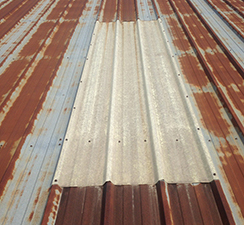
A commercial roof inspection in Spencer, Iowa, should help an owner understand the roof’s condition and decide what work, if any, is needed next. For a commercial building in Spencer, Iowa, that means more than a verbal “looks fine” or “needs work.” You should come away knowing what was found, where it is, how serious it is, and what the sensible next step is: maintenance, a repair, or a larger project.
Hoppe Roofing has worked on commercial roofs across Iowa, South Dakota, and Minnesota since 1977. Our commercial roof inspection service helps Spencer building owners identify roof conditions and discuss appropriate next steps. Call (855) 472-4932 to ask about an on-site roof evaluation.
What Our Roof Inspection Covers

A Hoppe Roofing inspection evaluates the roof and its current state, the condition of the roofing materials, the caps, ridges, and drip edges, the equipment that drains water off the roof, signs of movement, and specific details such as metal flashings. What the inspection identifies, and the limitations of any evaluation, should inform the proposed follow-up work.
What a Useful Inspection Report Should Include
Before approving roof work, ask what documentation the inspection will provide. A useful written report or evaluation summary may include:
- Dated photos. Each photo should show where on the roof it was taken, so a later visit can compare the same spot.
- Defect locations. A simple roof sketch or reference points marking each issue, such as a separated seam, damaged flashing, or a clogged drain.
- Condition notes by area. Membrane or metal surfaces, edges, penetrations, and drainage described separately rather than as one overall grade.
- Moisture limitations. A plain statement of what could and could not be confirmed. A surface inspection cannot always show whether insulation beneath the membrane is wet.
- Prioritized actions. Items sorted by urgency, such as active leak risks first, then repairs that can be scheduled, then items to monitor.
- Reinspection triggers. Conditions that should prompt another look, such as hail, high wind, heavy snow, or work that puts traffic on the roof.
When Thermal or Moisture Findings Need Confirmation
When specialized testing is appropriate and available, thermal imaging or moisture readings can point toward areas that warrant closer investigation. Neither result automatically proves that insulation is wet. Temperature patterns can reflect shading, materials, recent weather and other conditions unrelated to trapped moisture. If such findings are included in a report, ask what method was used, what the results establish and whether additional verification is needed before approving material removal. Not every routine inspection includes this testing.
Who Should Receive the Report and How It Informs an Estimate
Share the findings with the building owner, facility manager or whoever approves repairs, and keep them with the roof history. It is also what a scoped estimate should be built from. An estimate that lists the repair areas, the work in each, and what is excluded, tied to specific items in the report, is easier to compare and approve than a single lump figure. If findings point to larger work, the report becomes the basis for discussing flat roof repair, roof coating, or commercial roof replacement, so the decision rests on the roof’s condition and not on a sales pitch.
855-472-4932
How Often to Schedule an Inspection
Spring and fall inspections can be useful scheduling points, but the appropriate interval depends on roof condition, installed materials, drainage, previous problems and written requirements. Add a visit after events that can damage a roof:
- High winds
- Heavy snowfall
- Storms and hail
- Significant foot traffic on the roof, such as equipment service work
- Any other damaging incident
Documented findings can inform commercial roof maintenance, including which areas should be monitored and which drainage or flashing details require attention. An inspection does not guarantee that future leaks will be prevented.
Questions to Ask Before You Approve Work
For example, a blocked drain may call for cleaning and a follow-up check, while a damaged flashing detail may require a defined repair. Suspected wet insulation could require further investigation before anyone can price the affected area reliably. These are different scopes, even though they may all begin with an inspection. The proposal should explain the distinction so the owner can prioritize immediate work and plan later maintenance without treating every observation as a replacement trigger.
Before approving any work based on an inspection, ask whether each recommendation traces back to a photo or note in the report, whether any area could not be checked and why, and which items are urgent versus which can wait for the next budget cycle. Ask who will perform the work and how roof access and building occupants will be managed during it. A clear connection between the findings and the proposed work makes approval more informed. Keep the document so later inspections can compare the same roof areas, including repairs that were completed and items still being monitored.
Professional Roofing Company Serving Spencer
Hoppe Roofing has served commercial customers since 1977. Inspection findings may lead to maintenance, repair, restoration or replacement recommendations, depending on the roof and the extent of any damage. We serve Spencer, IA and the surrounding area. Call (855) 472-4932 to schedule an inspection at a time that is convenient for you.
Frequently Asked Questions
What should I receive after a commercial roof inspection?
Ask for a written explanation of the inspected areas, documented findings, any photos available, inspection limitations and recommended next steps. Confirm the report format before the visit.
How often should a commercial roof be inspected?
Spring and fall are common planning points. The actual schedule should follow the roof system, condition, maintenance history and weather-related damage.
Can an inspection tell me if my roof insulation is wet?
Not always. A visual inspection alone cannot always establish moisture beneath the roof surface. Additional investigation may be needed, and specialized testing should not be assumed to be included.
Does an inspection mean I need a repair or replacement?
No. Findings may point to routine maintenance, a targeted repair, or larger work. The documented roof condition should support the recommendation, including any uncertainties that need more investigation.