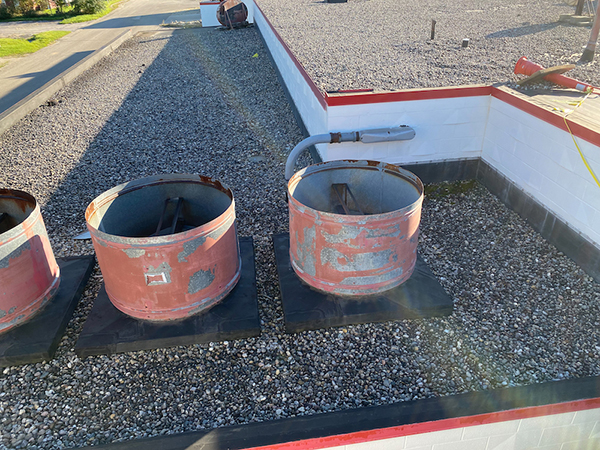
Commercial roofs in Omaha face constant stress from weather shifts, seasonal storms, and long temperature swings that can weaken materials over time. Property managers who treat upkeep as a scheduled responsibility rather than a response to damage tend to avoid larger disruptions and unexpected costs. Hoppe Roofing helps building owners structure preventive care programs that support long term roof performance in commercial environments. Roof maintenance in this context is not occasional repair work but a planned cycle of inspections and upkeep designed to protect the entire roofing system.
For related commercial roofing guidance in Omaha, see Single-ply roofers in Omaha.
For scheduling roof maintenance support or program setup in Omaha, NE, contact Hoppe Roofing at (855) 472-4932.
Roof Maintenance: Climate Challenges
Omaha’s climate creates repeated stress cycles that directly affect commercial roofing systems. Hard winters bring freeze and thaw conditions that can open small gaps in seams and flashing. In summer, heat and humidity expand roofing materials and place strain on adhesives and membranes. Spring storms often introduce heavy rain, wind uplift, and debris accumulation that block drainage paths.
These conditions do not usually cause immediate failure, but they gradually weaken vulnerable areas. Without structured attention, minor wear develops into water intrusion points. Roof maintenance in Omaha, NE becomes a way to manage these predictable environmental pressures before they turn into operational issues for the building.
Roof Maintenance Program Components

A structured maintenance program focuses on repeatable tasks that keep the roof functioning as a system. Biannual inspections are the foundation, typically scheduled in spring and fall to align with seasonal changes. During these visits, technicians evaluate surface condition, seam integrity, and any signs of membrane movement or separation.
Drainage is another priority. Roof drains, scuppers, and gutters are cleared so water can move off the roof without standing. Standing water increases load stress and accelerates material breakdown.
Flashing areas around HVAC units, skylights, and roof edges are also reviewed closely since these transitions are common entry points for moisture. Sealants are checked for cracking or shrinkage. In some systems, coating assessments are included to determine whether protective layers are still performing as intended or need reapplication planning.
This type of roof maintenance focuses on prevention and early correction rather than waiting for visible leaks inside the building.
Inspections and Leak Prevention Strategy
Most commercial roof leaks begin as small, hard to notice issues. A slightly separated seam, a blocked drain, or lifted flashing can allow water to enter slowly over time. By the time interior staining appears, moisture may already have spread through insulation layers.
Regular roof maintenance helps catch these conditions early. Inspections allow technicians to identify areas where water is starting to pool or where material fatigue is developing. Correcting these points early reduces the chance of insulation saturation, interior damage, and operational disruption.
For property managers, this approach also supports better documentation. Tracking changes over time makes it easier to understand how the roof is aging and where attention should be focused during future visits. This creates a clearer picture of risk across the entire roofing system rather than isolated repairs.
Planning and Long-Term Asset Management
For building owners, roofing should be treated as a managed asset with a predictable lifecycle. A consistent maintenance schedule extends that lifecycle by reducing strain on key components. Instead of reacting to leaks, managers can plan repairs during controlled windows that do not interfere with tenants or operations.
Budget planning also becomes more stable. Small, scheduled interventions are typically easier to manage financially than large emergency repairs or premature replacement projects. Over time, consistent roof maintenance helps delay major capital expenses and improves overall building performance.
Weather in Omaha makes consistency especially important since seasonal extremes repeat every year. A structured plan keeps the roof aligned with those cycles rather than reacting after damage has already occurred.
Roof Maintenance Commercial Service Planning
For property managers in Omaha, maintaining a commercial roof is about control, timing, and predictable performance. A scheduled approach reduces exposure to weather damage and supports longer system life while keeping building operations steady.
For roof maintenance in Omaha, NE contact Hoppe Roofing at (855) 472-4932 today.
FAQ
How often should a commercial roof in Omaha be inspected?
Most commercial roofs in Omaha should be inspected twice a year, typically in spring and fall. Additional inspections after major storms are also recommended to identify damage early and prevent hidden issues from developing.
What does a commercial roof maintenance visit typically include?
A maintenance visit usually includes a full surface inspection, drain clearing, seam and flashing checks, and a review of penetrations like HVAC units and skylights. Technicians also look for standing water, debris buildup, and early signs of wear.
Does regular maintenance actually extend a roof’s service life?
Yes, consistent maintenance helps extend service life by reducing moisture intrusion, preventing material breakdown, and addressing small issues before they spread. This slows overall aging and delays the need for major repairs or replacement.