A commercial roof inspection gives building owners and facility managers a clearer picture of roof condition before a visible leak becomes the only sign that something is wrong. For a commercial property in West Des Moines, IA, an inspection can document current conditions, identify areas that need attention, and support decisions about maintenance, repair, restoration, or replacement.
Hoppe Roofing has provided commercial roofing service since 1977. Its current inspection services cover several common commercial roof systems, including metal, EPDM rubber, asphalt, PVC and TPO, modified bitumen, built-up roofing, and spray foam. To discuss a commercial roof evaluation, call (855) 472-4932.
What a Commercial Roof Inspection Should Review
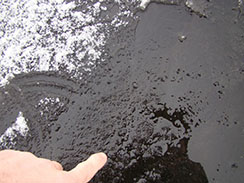
A useful inspection should look beyond the location of an interior stain or active drip. Hoppe Roofing’s commercial roof inspection service includes evaluation of the roof and its current state, roofing materials, drainage components, signs of movement, flashing, and other visible details that may affect performance.
For flat and low-slope commercial roofs, the review may also include membrane condition, seams, penetrations, rooftop equipment, edges, previous repair areas, and locations where water may collect. The inspector should explain any visible concerns and identify areas that cannot be fully evaluated without additional investigation.
Ponding water, seam separation, loose or damaged flashing, punctures, surface deterioration, and previous repair areas can all deserve attention. Finding one of these conditions does not automatically mean the roof needs replacement. The importance of a finding depends on its location, extent, surrounding materials, moisture conditions, and repair history.
When an Inspection Is Especially Useful
There is no single inspection schedule that fits every commercial roof. Timing should reflect the roof system, age, condition, warranty requirements, rooftop traffic, maintenance history, and recent weather. An inspection may be useful after hail, strong winds, heavy rain, snow or ice, falling debris, or work by other trades that involved roof access.
Inspections can also help when leaks keep returning, when a building changes ownership, or when a facility manager is preparing a maintenance or capital budget. In those situations, a written record can help separate immediate repair needs from conditions that can be monitored.

Inspection and Maintenance Work Together
An inspection identifies conditions, but the findings are most useful when they become part of an organized roof history. Keep inspection notes, photographs when provided, completed repair scopes, warranty documents, and maintenance recommendations together. That record makes it easier to see whether a problem is new, recurring, or part of a broader pattern.
Hoppe Roofing also offers commercial roof maintenance programs. Maintenance needs should be based on what the inspection actually finds. Some roofs may need routine housekeeping or monitoring, while others may need targeted repairs to flashing, seams, penetrations, drainage areas, or damaged roofing materials.
If an inspection identifies a repair need, the written recommendation should explain what was found, which area is included, and why the proposed work addresses the condition. Owners should also understand whether the recommendation is a localized repair, a recurring maintenance item, or a reason to investigate a larger portion of the roof.
When Roof Coating May Be Worth Evaluating
Roof coating can be an alternative to premature replacement when the existing roof is a suitable candidate, but coating should follow an evaluation of the roof’s condition. Hoppe Roofing offers commercial roof coatings for several commercial roof types.
A coating should not be treated as a way to cover significant deterioration, trapped moisture, failed substrate, or unresolved drainage problems. The roof should first be evaluated for needed repairs and preparation. When the existing assembly is suitable, a coating may be one option to compare with continued repair or replacement. When deterioration is too extensive, a different approach may be appropriate.
Questions to Ask After the Inspection
Before approving work, ask which findings need immediate attention and which can be monitored. Ask whether there are signs of moisture or deterioration that cannot be confirmed visually, whether previous repairs affect the recommendation, and whether drainage or rooftop equipment contributes to the condition.
It is also useful to ask what should be checked again at the next inspection. Clear priorities help turn an inspection from a one-time visit into a practical roof-management record.
Commercial Roof Inspection in West Des Moines, IA
For commercial property owners in West Des Moines, a professional roof inspection can provide a clearer understanding of roof condition and the next steps that deserve consideration. The inspection should document visible concerns, identify repair or maintenance priorities, and distinguish those needs from conditions that require further investigation.
855-472-4932
To discuss whether Hoppe Roofing can assist with a commercial roof evaluation, call (855) 472-4932.
Frequently Asked Questions
What does a commercial roof inspection look for?
An inspection can review roofing materials, seams, penetrations, flashing, drainage, previous repairs, visible damage, and other conditions that may affect roof performance.
Should a commercial roof be inspected after severe weather?
It can be useful after hail, strong winds, heavy rain, snow or ice, or other events that may have affected the roof even when no interior leak is visible.
Can a roof coating be chosen after an inspection?
Sometimes. Coating suitability depends on the existing roof condition, moisture concerns, substrate, drainage, and whether needed repairs and preparation can be completed first.
What should happen after an inspection finds a problem?
The next step depends on the condition found. The contractor should explain whether monitoring, maintenance, targeted repair, or further investigation is appropriate.