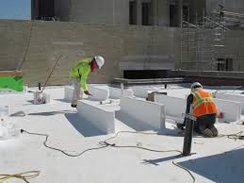
 For commercial property owners in Mason City IA, a roof inspection is one of the most important steps in protecting a building’s structure, occupants, and long-term value. While many owners understand the importance of inspections, fewer know what actually takes place during a professional evaluation. A thorough Roof Inspection goes far beyond a quick visual check and provides critical insight into current conditions and potential risks. If you own or manage a commercial property in Mason City IA and want clarity on your roof’s condition, you can speak with a professional from Hoppe Roofing at (855) 472-4932 to learn more about the process.
What Really Happens During a Professional Roof Inspection?
Initial Assessment and Roof Access
 A professional roof inspection begins before anyone steps onto the roof surface. Inspectors first review the building’s basic information, including roof type, age, previous repairs, and known problem areas. This background helps guide the inspection and ensures that vulnerable areas receive special attention.
Once access is established, safety measures are put in place. Commercial roofs often include HVAC units, skylights, drains, and varying elevations, all of which require careful navigation. Inspectors look for immediate concerns such as obvious membrane damage, standing water, or loose materials that could indicate larger issues.
This initial walkthrough sets the stage for a more detailed evaluation and helps inspectors identify areas that may require closer examination.
Detailed Evaluation of Roofing Components
The core of a professional roof inspection lies in examining each component of the roofing system. Rather than focusing on one issue, inspectors assess how all parts work together to protect the building.
Roofing Surface and Membrane
The surface is checked for cracks, punctures, blisters, shrinkage, or seam separation. Even minor damage can allow moisture to penetrate and compromise insulation or decking.
Flashing and Penetrations
Flashing around vents, pipes, skylights, and HVAC equipment is closely inspected. These areas are among the most common sources of leaks because they experience constant movement and stress.
Drainage Systems
Proper drainage is essential for commercial roofs. Inspectors check drains, scuppers, and gutters for blockages, ponding water, or improper slope that could accelerate deterioration.
Structural Indicators
Signs of sagging, soft spots, or uneven surfaces may indicate underlying structural or moisture-related problems. These findings often influence repair recommendations.
This detailed inspection ensures that problems are identified early, before they lead to interior damage or costly emergency repairs.
Interior and Moisture Assessment
A professional roof inspection doesn’t stop at the roof itself. Inspectors often examine interior spaces directly below the roof to look for signs of water intrusion. Stains on ceilings, peeling paint, or mold odors can indicate hidden leaks that aren’t yet visible on the surface.
In some cases, moisture detection tools may be used to identify trapped water within insulation layers. Moisture that goes undetected can reduce insulation effectiveness, increase energy costs, and weaken structural components over time.
By connecting exterior findings with interior conditions, inspectors gain a clearer understanding of how the roof is performing as a complete system.
Documentation and Professional Reporting
One of the most valuable outcomes of a professional roof inspection is the report. This document provides a clear, organized overview of the roof’s condition and outlines any areas of concern.
Reports typically include:
- Descriptions of observed issues
- Photographic documentation
- Assessment of overall roof condition
- Recommended next steps, such as repairs or maintenance
For commercial building owners, this information supports budgeting decisions, maintenance planning, and conversations with stakeholders. It also creates a record that can be referenced over time to track changes in roof performance.
Rather than guesswork, owners receive factual, professional insight into their roofing system.
Why Professional Roof Inspection Matter for Commercial Properties
Commercial roofs protect valuable assets, employees, and operations. A professional roof inspection helps owners make informed decisions, avoid unexpected disruptions, and extend the lifespan of their roofing system.
Understanding what happens during an inspection empowers owners to take a proactive approach instead of reacting to leaks or failures. Early detection often means simpler repairs, lower costs, and fewer business interruptions.
Roof Inspection Professionals
For commercial property owners in Mason City IA, knowing what really happens during a roof inspection provides confidence and clarity. A thorough inspection delivers insight into your roof’s health and helps you plan wisely for the future.
If you’re ready to better understand your commercial roof or want professional guidance, contact Hoppe Roofing at (855) 472-4932 to discuss your inspection needs and next steps.
FAQ
What is the main goal of a professional roof inspection?
The goal is to identify current issues and potential risks before they lead to leaks or structural damage.
Does a roof inspection include interior areas of the building?
Yes, inspectors often examine interior ceilings and walls for signs of moisture intrusion.
Will I receive documentation after the inspection?
Professional inspections typically include a detailed report with findings and recommendations.
Can a roof inspection help with budgeting for future repairs?
Yes, inspection reports help owners plan maintenance and avoid unexpected expenses.