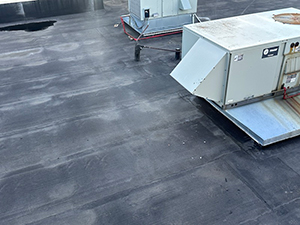
Rubber roofing is a popular roofing material for flat and low-slope roofs due to its durability, affordability, and weather resistance. However, like all roofing systems, rubber roofs are not immune to wear and tear. Over time, exposure to the elements, foot traffic, or poor installation can lead to damage that requires professional attention. Understanding the early signs of damage and knowing how to respond can save you thousands in repairs or replacement. To avoid costly replacement, call Hoppe Roofing in Mason City, Iowa for rubber roof repair at 855-472-4932.
Signs You Need Rubber Roof Repair
Being proactive is key to extending the life of your rubber roof. Here are some telltale signs that your rubber roof might need repair:
Leaks or Moisture in the Building
Water stains on ceilings or walls often point to a breach in the roofing membrane. Because rubber roofs are seamless, any crack or puncture can allow water to seep through quickly.
Ponding Water
Rubber roofs are designed to shed water efficiently. If you notice standing water after rain that doesn’t drain within 48 hours, there may be an issue with drainage or sagging areas that need repair.
Cracks, Blisters, or Bubbles
Blistering or bubbling indicates trapped moisture or air beneath the membrane, usually caused by poor adhesion or damage. Left untreated, this can lead to membrane failure.
Loose or Separated Seams

Rubber roofs often use seam tapes or adhesives to bind overlapping edges. If seams begin to lift or separate, it compromises the waterproofing and structural integrity.
Visible Punctures or Tears
Whether caused by falling debris, tools, or excessive foot traffic, any visible tear in the membrane should be addressed immediately to avoid further damage.
Fading or Chalky Appearance
Over time, UV exposure can cause the rubber to degrade, making it brittle or discolored. A fading rubber roof may need resurfacing or protective coating to restore its effectiveness.
How Long Does the Repair Process Take?
The duration of a rubber roof repair depends on several factors, including the size of the damaged area, weather conditions, and the type of repair being done. Here is a general guide:
Minor Repairs (1–2 hours): Small punctures or seam resealing and application of patch kits or adhesive sealants.
Moderate Repairs (Half a day): Blister removal, membrane replacement, and flashing repair around vents or HVAC systems.
Major Repairs (1–2 days): Large area membrane replacement and structural repairs or insulation replacement.
If weather conditions are dry and access is easy, most rubber roof repairs can be completed in a day or less.
How to Increase the Longevity of a Rubber Roof Repair
After a repair, it is important to take steps to protect your investment. Here are some tips to help extend the lifespan of your rubber roof and its repairs:
Schedule Regular Inspections
Inspect your rubber roof at least twice a year — ideally in spring and fall. Look for new signs of wear, ponding, or seam issues. Catching damage early makes it easier and less expensive to repair.
Clean Debris Regularly
Leaves, sticks, and other debris can trap moisture, cause punctures, and block drainage. Regularly clean the roof surface and nearby gutters.
Use Protective Coatings
A liquid rubber coating or elastomeric sealant can add an extra layer of UV and moisture protection. These coatings also help extend the overall life of the roof.
Limit Foot Traffic
Use walkway pads if frequent roof access is necessary. Excessive foot traffic can wear down the membrane and increase the risk of tears or punctures.
Ensure Proper Drainage
Make sure all drains and scuppers are functioning properly. Pooling water is one of the most common causes of membrane failure.
Hire Professionals for Installation and Repair
DIY repairs may seem cost-effective, but improper sealing or patching can lead to bigger issues down the road. Always hire experienced professionals for high-quality work and warranty protection.
Call us today!
Rubber roofs are a strong, resilient option for flat or low-slope buildings, but like any roofing system, they require maintenance and occasional repairs. Recognizing early warning signs like leaks, blisters, or ponding water can prevent minor issues from becoming major headaches.
Fortunately, a rubber roof repair is quick and relatively affordable — especially when handled promptly by a professional like our team at Hoppe Roofing. With proper care, inspections, and protective measures, your repaired rubber roof can continue to serve you well for many years to come. Call our Mason City, Iowa team today at 855-472-4932 for an estimate.
FAQ
How long does a rubber roof typically last?
A well-maintained EPDM rubber roof can last 25–30 years or more. Regular inspections and repairs help maximize lifespan.
Can I repair a rubber roof myself?
Small patches or sealant fixes can be DIY-friendly, but larger rubber roof repairs should be handled by a licensed roofer to ensure watertight results and avoid voiding warranties.
Is it better to patch or replace a rubber roof?
If the damage is localized and the rest of the roof is in good shape, patching is effective. Widespread wear or multiple leaks may call for replacement.
What kind of sealant works best on rubber roofs?
Use a sealant specifically formulated for EPDM or rubber roofing. Silicone-based or acrylic sealants are not typically recommended for EPDM unless specified by the manufacturer.