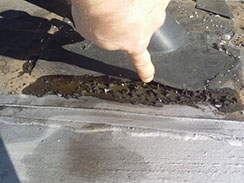
Severe weather is a reality for commercial buildings in Cedar Rapids, IA. High winds, heavy rain, hail, and flying debris can all impact flat and low-slope roofing systems, especially rubber roofs. Also known as EPDM roofing, rubber membranes are durable and flexible, but storm damage can compromise their performance quickly if issues go unnoticed. Protection requires timely rubber roof repair.
Keep your commercial roof performing at its best, partner with Hoppe Roofing. Call 855-472-4932 today and schedule your consultation with the experts.
Rubber Roof Repair After Storm Damage
Understanding what to check after a storm and why timely rubber roof repair matters can help protect your building, operations, and long-term investment.
How Storms Affect Rubber (EPDM) Roofing Systems
Rubber roofs are designed to handle temperature swings and moderate weather exposure, but storms introduce stresses that exceed normal conditions. Strong winds can lift membrane edges, loosen flashing, or stress seams. Hail and debris may puncture or bruise the membrane surface, creating entry points for moisture. Heavy rainfall can exploit even small vulnerabilities, allowing water to migrate beneath the membrane and into insulation layers.
In many cases, storm damage to rubber roofs is not immediately visible from inside the building. Leaks may take days or weeks to appear, often after insulation has already absorbed moisture.
Common Storm-Related Rubber Roof Issues
After a storm event, commercial building owners should be aware of the most frequent EPDM roof problems:
- Seam separation caused by wind uplift or aging adhesives
- Punctures and tears from hail, branches, or rooftop debris
- Flashing damage around HVAC units, drains, and penetrations
- Edge pull-back or membrane shrinkage intensified by wind stress
- Clogged or damaged drainage systems leading to standing water
Each of these issues can escalate quickly if not addressed with professional rubber roof repair methods.
Why Post-Storm Inspections Are Critical
One of the most important steps after a storm is scheduling a professional roof inspection. Even if no leaks are visible, hidden damage can be developing beneath the surface. Moisture trapped below the membrane can reduce insulation performance, increase energy costs, and weaken the roof structure over time.
A thorough inspection documents existing conditions, identifies storm-related damage, and determines whether repairs can restore performance or if further action is needed. For commercial property owners, this documentation is also valuable for insurance claims and maintenance records.

Repair Timing Matters More Than You Think
Delaying rubber roof repair after storm damage increases the risk of secondary problems. Water infiltration can spread laterally beneath the membrane, turning a localized repair into a larger restoration project. In colder months, trapped moisture can freeze and expand, worsening membrane damage and stressing seams.
Prompt repairs help stabilize the roofing system, preserve remaining service life, and reduce the likelihood of business disruption. Addressing issues early also allows repairs to be completed before weather conditions worsen.
Repair vs Replacement After a Storm
Not every storm-damaged rubber roof needs replacement. In many cases, targeted repairs can restore watertight integrity and extend roof life. Factors that influence this decision include:
- Age and overall condition of the existing roof
- Extent and location of storm damage
- Condition of insulation and substrate
- History of prior repairs
An experienced commercial roofing contractor can assess these variables and recommend the most cost-effective solution for your building.
855-472-4932
Protecting Your Building Moving Forward
After repairs are completed, preventive strategies help reduce future storm-related risks. Regular inspections, maintained drainage systems, and reinforced flashing details all contribute to better performance during severe weather. Proactive maintenance also ensures storm damage is identified early rather than discovered during a leak emergency.
Specializing in Rubber Roof Repair
Storm damage is unpredictable, but your response does not have to be. Hoppe Roofing works with commercial building owners throughout Cedar Rapids, IA to inspect, repair, and maintain rubber roofing systems after severe weather events. Their local experience helps ensure storm-related issues are addressed accurately and efficiently, protecting both your roof and your operations.
To learn more about rubber roof repair, call 855-472-4932 and speak with a Hoppe Roofing expert today.
FAQ
How soon should a rubber roof be inspected after a storm?
Ideally, a professional inspection should be scheduled as soon as it is safe to access the roof, even if no leaks are visible.
Can small punctures in a rubber roof really cause major problems?
Yes. Even minor punctures can allow water to migrate beneath the membrane and damage insulation over time.
Will insurance cover rubber roof repair after storm damage?
Coverage varies by policy, but proper documentation from a professional inspection improves the likelihood of claim approval.