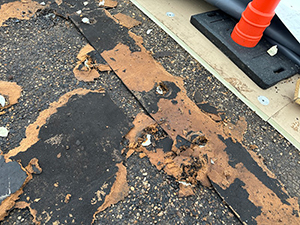
If you own or manage a commercial property in Albert Lea, Minnesota, your flat roof is more than just a cover over your building; it is a crucial part of your asset’s structural integrity and energy efficiency. Yet many business owners overlook seemingly minor issues that, left unchecked, can result in costly damage and business disruption. Flat roof systems may appear simple, but they require proactive care. This article explores the most overlooked types of flat roof repair, why they often fly under the radar, and how early action can save thousands in the long run.
For expert insight and dependable service in Albert Lea, MN, contact Hoppe Roofing at (855) 472-4932.
Neglected Flat Roof Repair Issues
Minor Ponding Water
One of the most underestimated issues in flat roofing is ponding water. Because flat roofs aren’t perfectly level, they are prone to slight dips where water collects. If this water lingers for more than 48 hours, it begins to deteriorate the membrane, weaken seams, and promote algae or mold growth.
Many commercial property owners assume small puddles are harmless, especially after moderate rainfall. But over time, even minor ponding can lead to:
- Premature membrane aging
- Stress on structural elements
- Freeze-thaw expansion that breaks down materials
- Voiding manufacturer warranties
Regular inspections, proper drainage design, and targeted re-sloping or membrane patching can address these risks early.
When Flashing Breaks Down

Flashings are the sealants and materials used around roof penetrations, like HVAC units, vents, skylights, and edges. These areas are especially vulnerable to leaks, as they shift more than the rest of the roofing system due to temperature fluctuations and building movement.
Over time, flashings can crack, detach, or shrink away from surfaces. But because the affected area is small, these issues often go unnoticed, until they cause leaks inside your building. Common signs include:
- Water stains on ceiling tiles or drywall
- Dripping during heavy rain
- Mold or mildew near vents
Ignoring flashing issues is like leaving a window cracked during a storm – it invites water in. Repairing flashing early can extend the life of the entire system.
Don’t Ignore Membrane Imperfections
Another overlooked red flag in flat roofing is the appearance of blisters or bubbles in the membrane. These form when air or moisture becomes trapped between layers of the roofing system, often due to poor adhesion, improper installation, or extreme temperature swings.
At first glance, these may seem harmless or even purely cosmetic. But they weaken the membrane and can:
- Lead to full separation from the substrate
- Allow water infiltration
- Cause cracking under foot traffic or snow load
Targeted repairs often involve cutting away the blister, drying the substrate, and reapplying material to restore a tight seal.
Why Flat Roof Seams Are Vulnerable to Leaks
Flat roofing membranes, like TPO, EPDM, or modified bitumen, are typically installed in large sheets joined together at seams. These seams are critical points of protection. Over time, due to weathering, UV exposure, or building movement, these seams can start to pull apart.
Seam failure is one of the most common causes of flat roof leaks, and one of the easiest to prevent. Yet it often goes unaddressed until water damage becomes visible inside the building.
Routine inspections and infrared scanning can identify weak seams before failure occurs. Resealing or reinforcing these areas is far more cost-effective than interior water remediation or full membrane replacement.
Understanding the Risks of Trapped Moisture
When a flat roof develops a small leak, the water does not always drip into the building. Often, it soaks into the insulation layer beneath the membrane. Wet insulation loses its R-value (thermal performance), adds weight to the structure, and can harbor mold.
The tricky part? You usually can’t see this damage until a major problem arises.
Infrared thermal imaging can detect moisture beneath the surface, allowing commercial roofing experts to isolate the affected area and repair or replace it without disturbing the entire system.
Why These Issues Matter
In a climate like Albert Lea, where commercial buildings face heavy snow loads, freeze-thaw cycles, and seasonal storms, flat roofs are under constant stress. Overlooking seemingly minor issues can escalate quickly under these conditions.
Timely flat roof repairs help you:
- Avoid business interruptions from interior leaks
- Maintain energy efficiency
- Extend the life of your current roofing system
- Prevent costly structural damage
Flat Roof Repair Experts
If you own or manage a commercial property in Albert Lea, Minnesota, now is the time to take a closer look at your flat roof. Whether it is small ponding areas, cracking seams, or flashing issues, Hoppe Roofing is ready to help with experienced, thorough service.
Call (855) 472-4932 today to schedule a flat roof repair consultation.
Flat Roof Repair FAQs
How often should a flat commercial roof be inspected?
At least twice a year, preferably in spring and fall, and after any major storm or heavy snowfall.
What materials are typically used for flat roof repairs?
Common materials include EPDM patches, TPO welds, flashing sealants, acrylic or silicone coatings, and reinforced fabric membranes.
How do I know if I need a repair or a full replacement?
A professional roof inspection will assess the membrane’s condition, insulation saturation, and structural integrity. Many issues can be resolved with localized repairs if caught early.